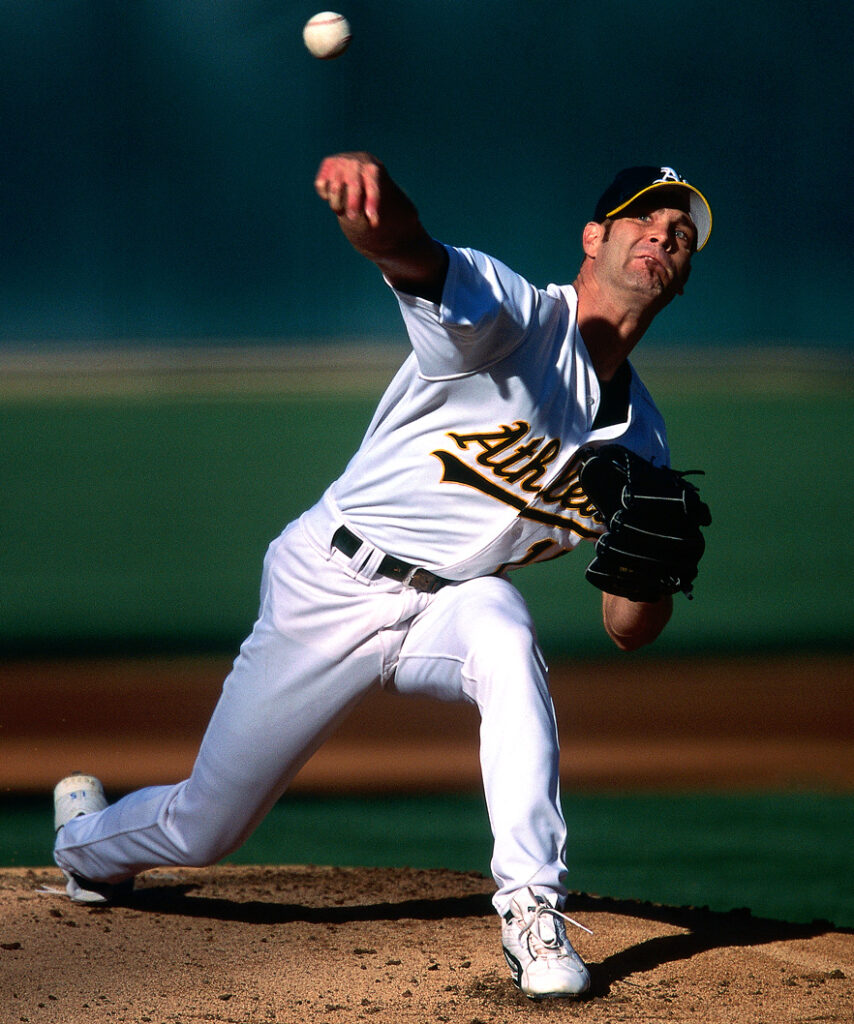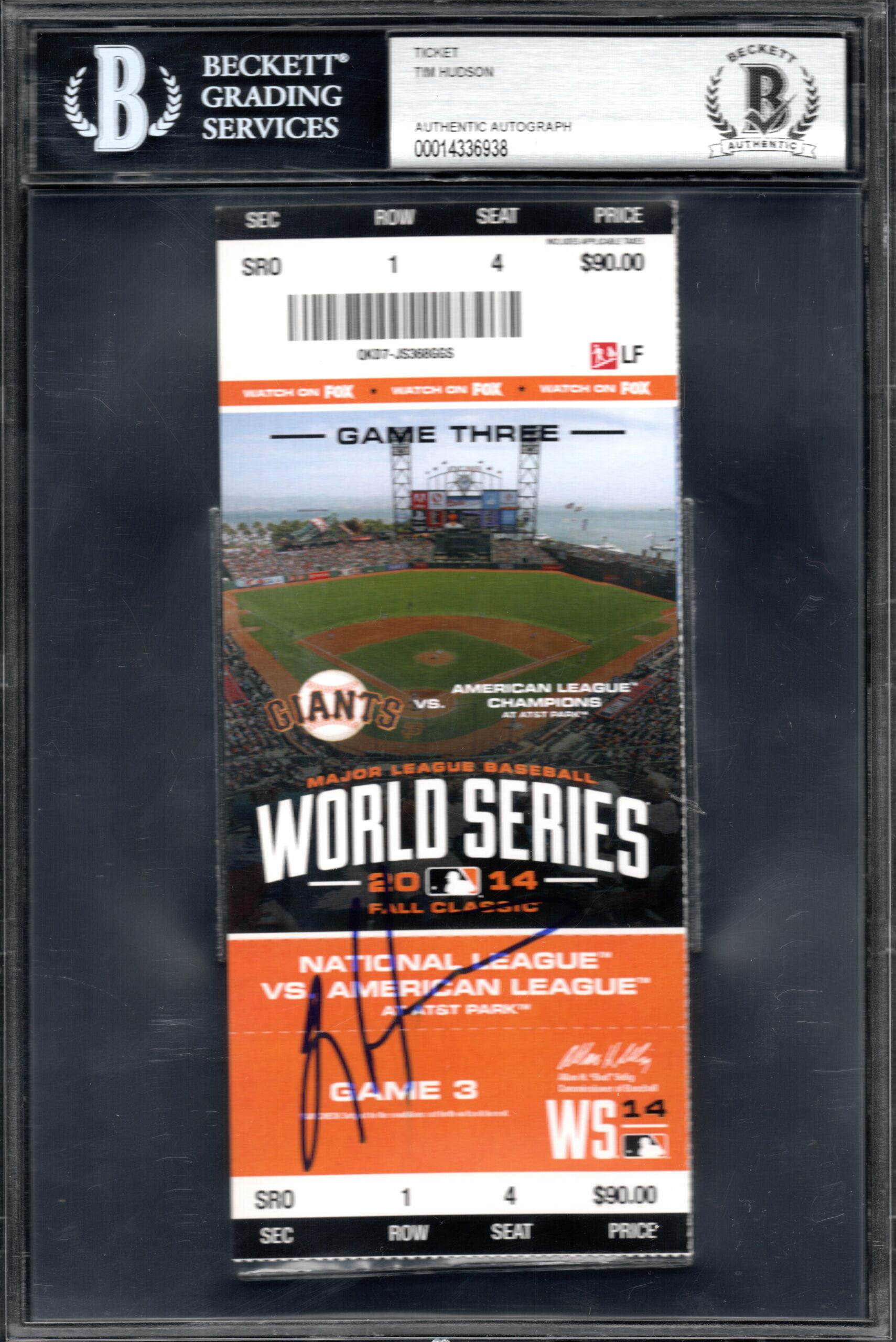
The Cooperstown case for Tim Hudson rests on a strong, durable career—but facing elite company, he falls short of the vintage of the very best. Hudson won 222 games over his 17‑season big‑league run. That total ranks him among the most prolific winners of his era.
In terms of run prevention, Hudson pitched to a career ERA+ of 120. That’s an impressive figure that compares favorably to Cooperstown pitchers Warren Spahn, Bob Lemon, and Red Faber who are a tick below at 119. Yet when compared with his elite contemporaries—pitchers like Justin Verlander, Clayton Kershaw, Max Scherzer, and Roy Halladay—Hudson falls short on both peak dominance and longevity.
For example, while his 57.9 career WAR is quite solid, it still comes up short of the Hall‑of‑Fame starter average (66.0 career WAR). Meanwhile, his seven‑year peak of 38.3 WAR registers below the HOF average 49.8. Accordingly, many Hall watchers view him as a borderline candidate: he was a very reliable top‑of‑rotation starter, but he lacked the “ace‑for‑a‑decade” credentials that mark most enshrinees.
In short: Hudson checks many of the boxes—lots of wins, excellent run prevention in a tough era, durability—but when stacked next to the elite pitchers of his generation, he falls into that group below the class of “locks.” He deserves strong consideration, but the comparison to his contemporaries makes the case less clear‑cut than at first glance.
When he first appeared before the writers in 2022, Hudson received just over the required 5% to remain on the ballot. The following time the writers got together, they named Hudson on just 12 of 394 ballots (3.05%) and he dropped from consideration. He case now rests in the hands of the Veterans Committee.
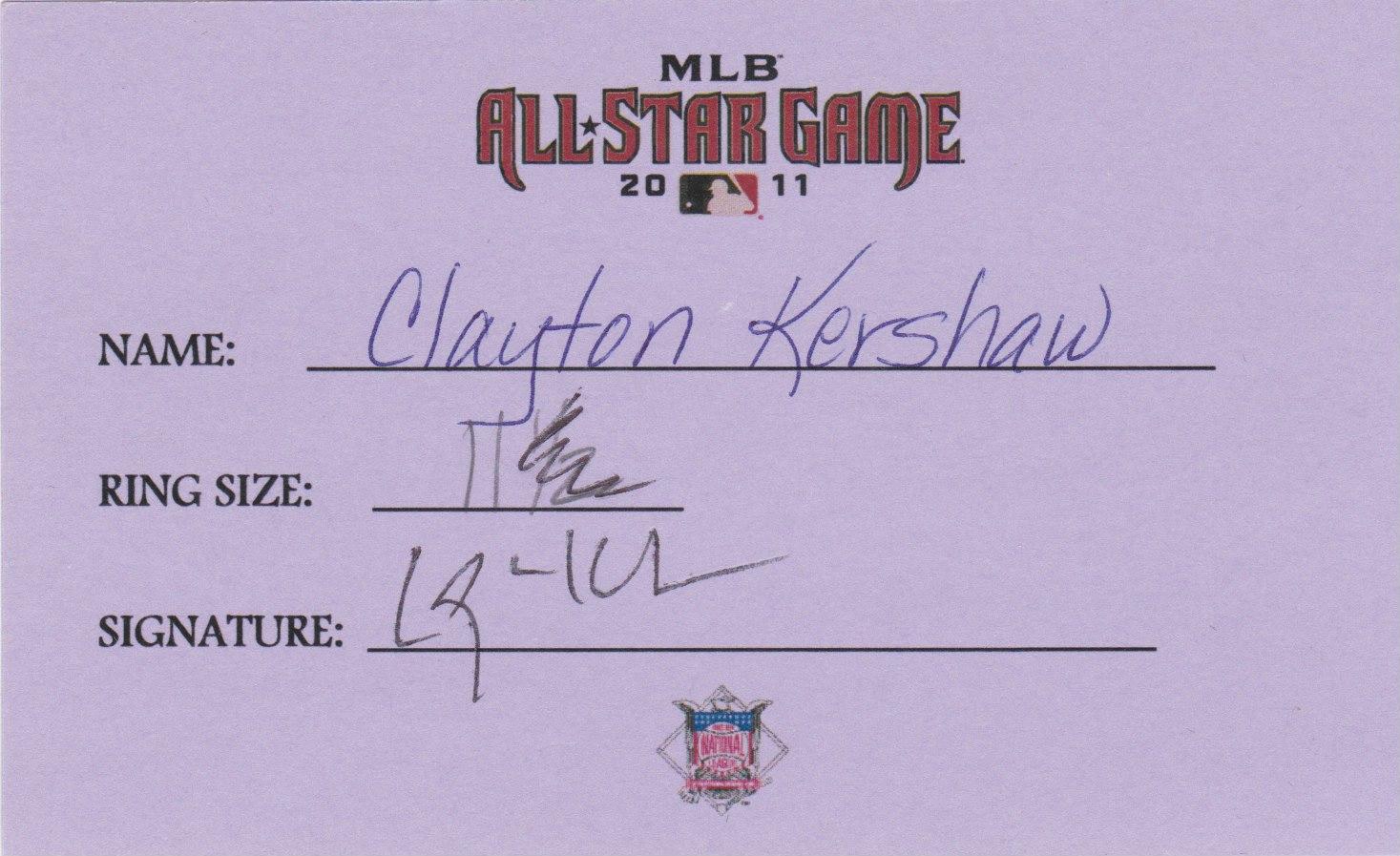
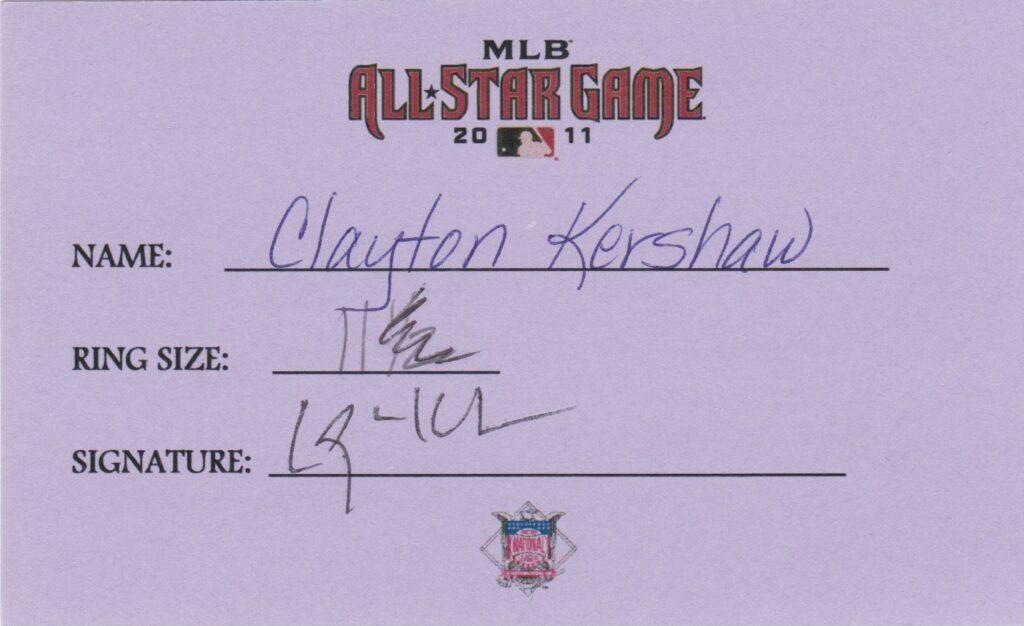
In the collection is this official document from Major League Baseball that Hudson’s contemporary Kershaw signed. It is a receipt from 2011 for the first of Kershaw’s 11 All Star rings. That campaign was a magical one for the Dodger who earned pitching’s Triple Crown with 21 wins, 2.28 ERA, and 248 strikeouts. By season’s end he earned the first of his three Cy Young Awards.
Interestingly, Hudson finished with just one win less than Kershaw.