Bobby Murcer
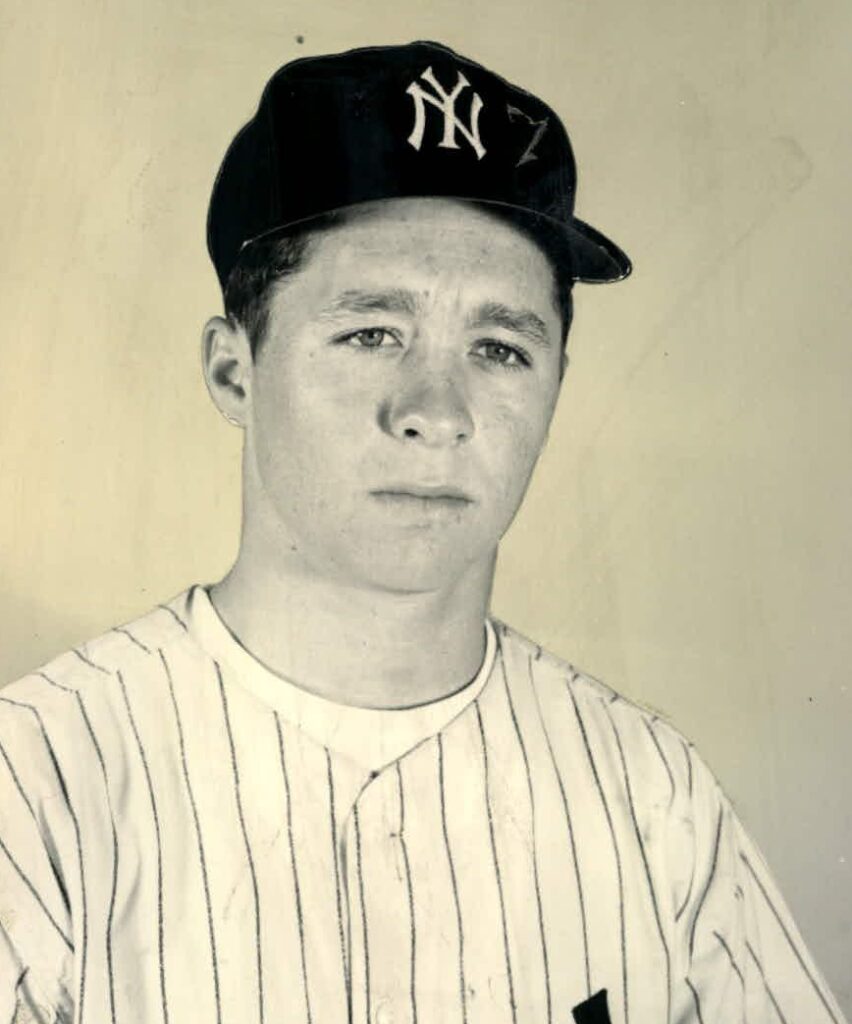
| Birthdate | 5/20/1946 |
| Death Date | 7/12/2008 |
| Debut Year | 1965 |
| Year of Induction | |
| Teams | Cubs, Giants, Yankees |
| Positions | Center Field, Right Field |
The first three Yankee players to earn $100,000 per season were Joe DiMaggio, Mickey Mantle, and Bobby Murcer who later became the highest-paid player in Yankees, Giants and Cubs history.
Leave a commentIn the collection:
In high school Bobby Murcer was All City in basketball and All State in football and baseball
In high school Bobby Murcer was All City in basketball and All State in football and baseball
Bobby Murcer was a rare athletic talent. Growing up in Oklahoma, he idolized Mickey Mantle and the Yankees. By his senior year in high school, Murcer was All City in basketball and All State in both football and baseball.
Thirteen days after his 18th birthday in 1964, Murcer signed with the New York Yankees. The next year he was the Carolina League MVP and earned a September call up to the big leagues. In ’66 he was an All Star for the Triple-A Toledo Mud Hens and also played 21 games for the big club.
Murcer entered spring training in ’67 with hopes of earning a full-time role. The day he reported, Murcer got a call from his wife letting him know he’d been drafted into the army. Murcer served two years in the radio corps stationed in Arizona before returning to baseball in 1969.
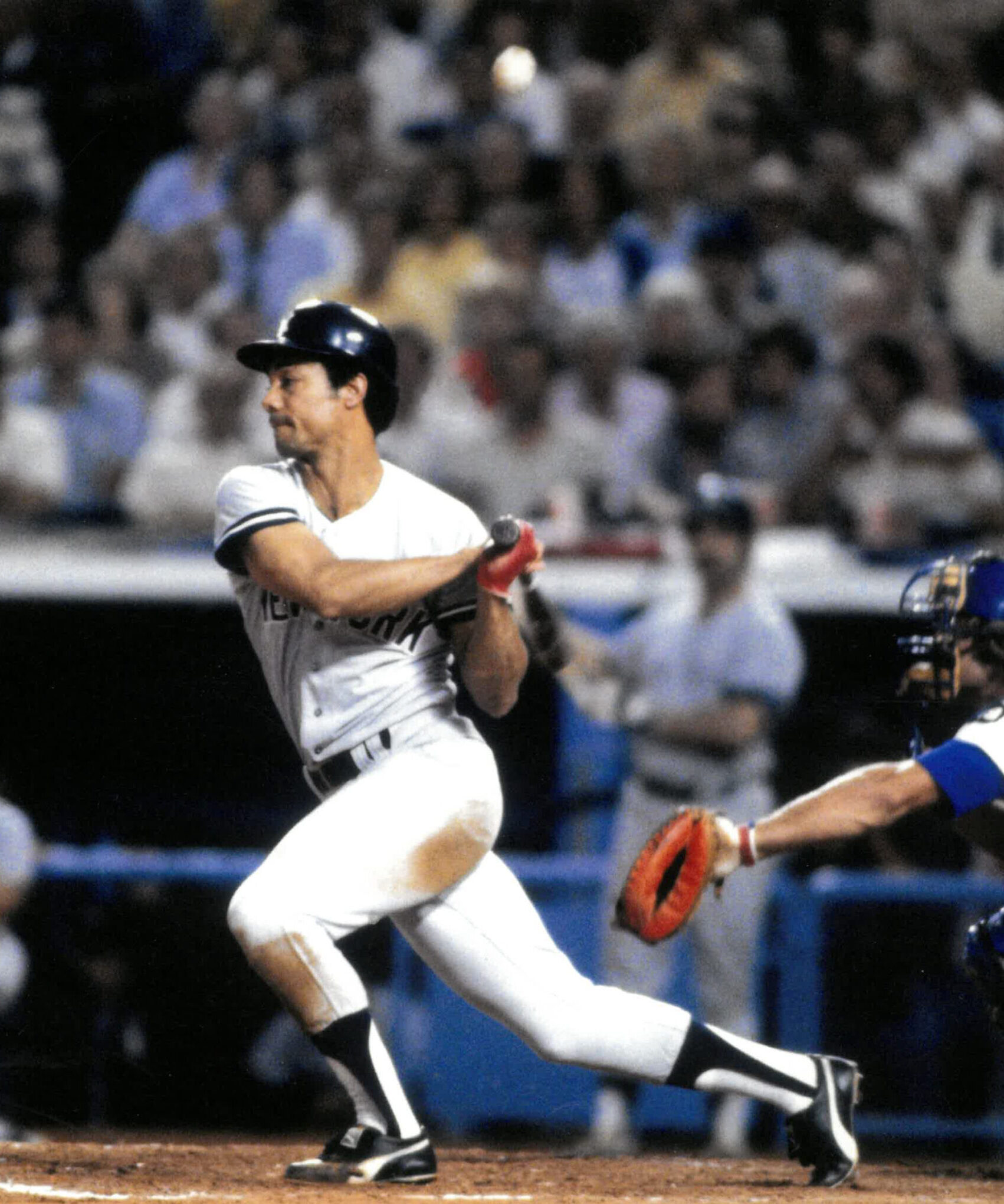
That season Murcer became a regular. In 152 games he hit 26 homers, driving in 88 runs and scoring 88 times. After another solid year in 1970, Murcer broke out in ’71. An All Star for the first time, he hit .331 with league-leading numbers in on-base percentage (.427), OPS (.969), and OPS+ (181).
From 1969-1974, Murcer represented the Yankees in the All Star Game four times and received votes in MVP balloting in four seasons. Three times he finished in the top-10 for the league’s highest honor. During the six-year run, Murcer hit .285 and averaged 23 homers, 89 RBI, and 88 runs scored. In ’74, the team made him their highest-paid player ever.
Looking to add more home run power to the Yankee lineup, GM Gabe Paul dealt Murcer to the Giants in exchange for slugger Bobby Bonds after the end of the ’74 season. His first year in San Francisco Murcer hit .298 with a .396 on-base percentage and 91 RBI. The Giants rewarded the All Star campaign by signing Murcer to the richest contract in franchise history.
His time in San Francisco was brief. After just two seasons, the Giants dealt him to the Cubs in a six-player swap that included batting champ Bill Madlock. A month after moving to the Windy City, Murcer signed his first multi-year contract. The five-year, $1.6 million deal made him the highest-paid player in the history of the Cubs.
Murcer lasted 2 1/2 season in Chicago before being dealt back to the Yankees in June of ’79. He remained with New York in a part-time role until retiring in 1983.
In 1993 he was inducted into the Oklahoma Sports Hall of Fame, seven years later he was named as one of the top-100 athletes in the state’s history.
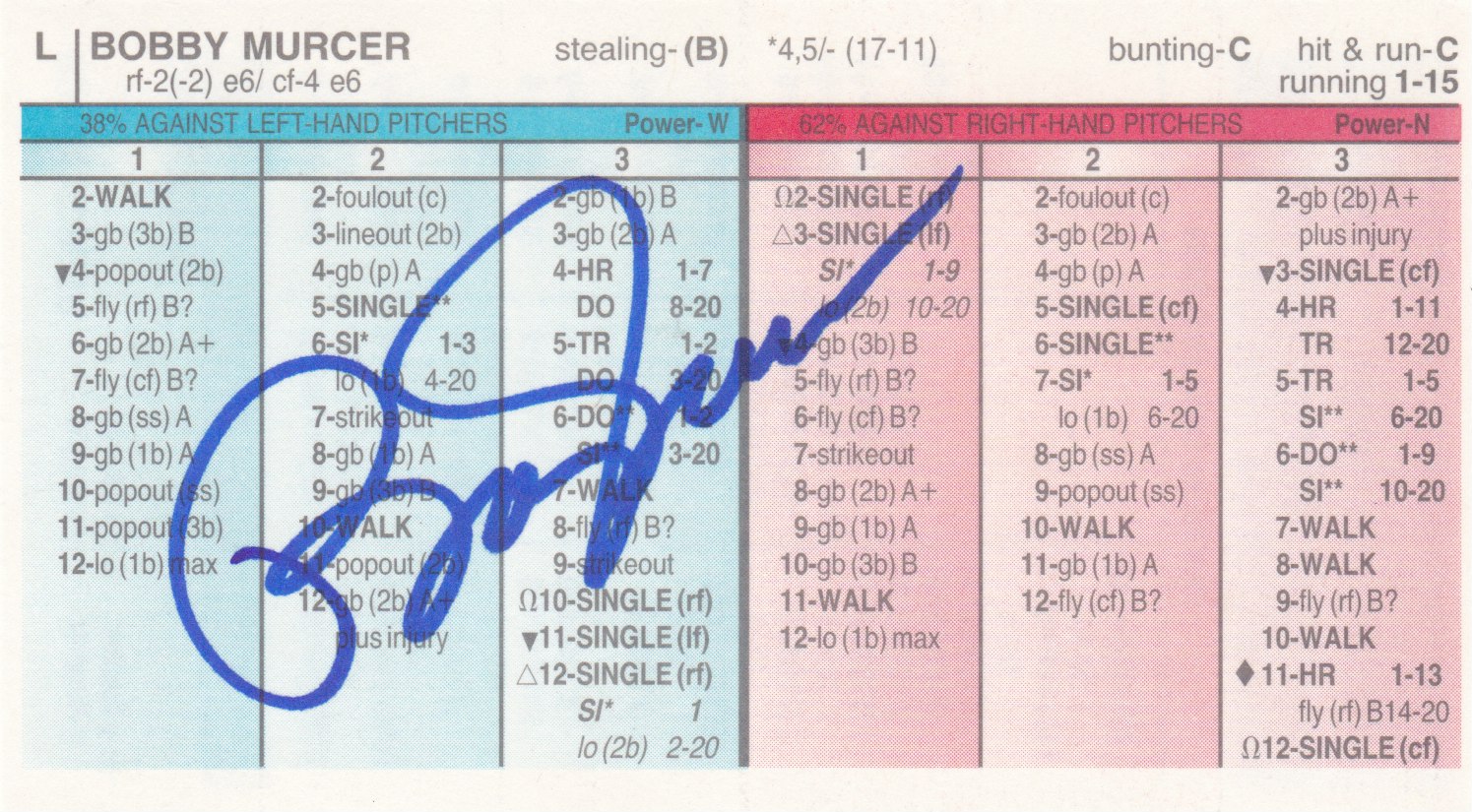
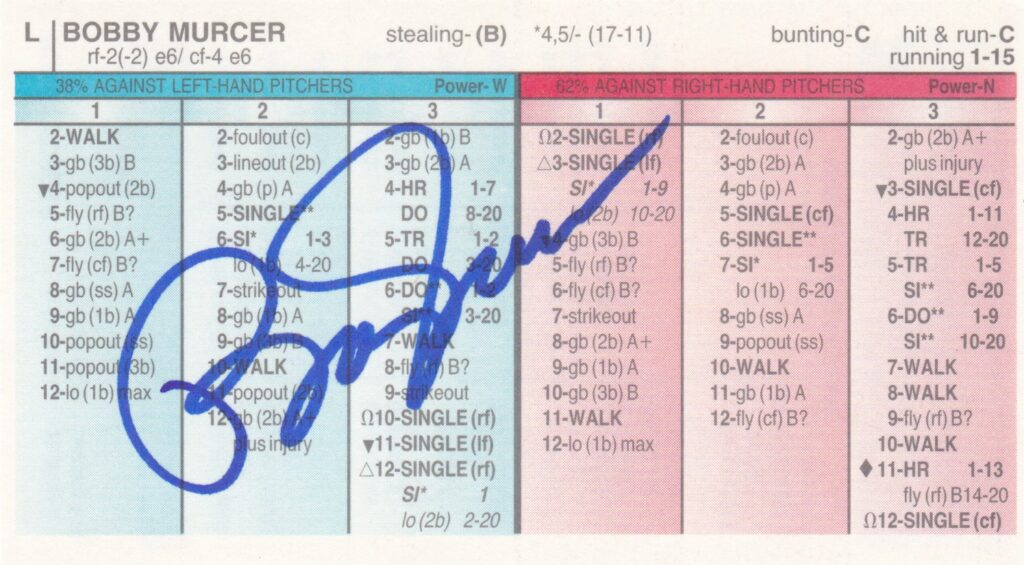
In the collection is this Bobby Murcer autographed Strat-O-Matic card from 1978. Bucknell University math major Hal Richman originated the Strat-O-Matic game in 1961. Advertised in Sports Illustrated and sold out of Richman’s basement, Strat-O-Matic gave its players the ability to make managerial decisions based on MLB statistics.
Murcer was fined after calling out Bowie Kuhn for allowing Gaylord Perry to throw the spitball
Murcer was fined after calling out Bowie Kuhn for allowing Gaylord Perry to throw the spitball
Gaylord Perry dominated American League batters in 1972. His 25 wins, 1.92 ERA, 29 complete games and 234 strikeouts were career bests that led him to the Cy Young Award. That season he also dominated Bobby Murcer.
Though the Yankees centerfielder led the AL in runs scored and total bases in ’72, he mustered just two hits in 20 at bats against the spitball-throwing Perry.
The following June, Murcer called out Commissioner Bowie Kuhn and American League president Joe Cronin for allowing the Hall of Famer to throw his illegal pitch. After labeling the two baseball executives, “gutless”, Murcer was fined $250 on June 29th.
A few hours later Murcer stepped into the batters box against Perry, the reigning Cy Young Award winner. In the bottom of the first, Perry got Murcer to ground out to end the inning.
His next time up in the fourth inning, Murcer redeemed himself. Locked in a 1-1 tie, with Matty Alou on first, Murcer hit a shot over the right field fence to put the Yankees ahead to stay. Behind Murcer, the Yankees pummeled Perry and the Indians 7-2.
Fresh off his fine, Murcer was not contrite in postgame interviews. Taking another jab at Cronin and Kuhn, Murcer told the New York Times, “Whenever I’ve hit it, I’ve just been lucky,” he said. “If they ever legalized the pitch, everybody in the league would be a .250 hitter.”
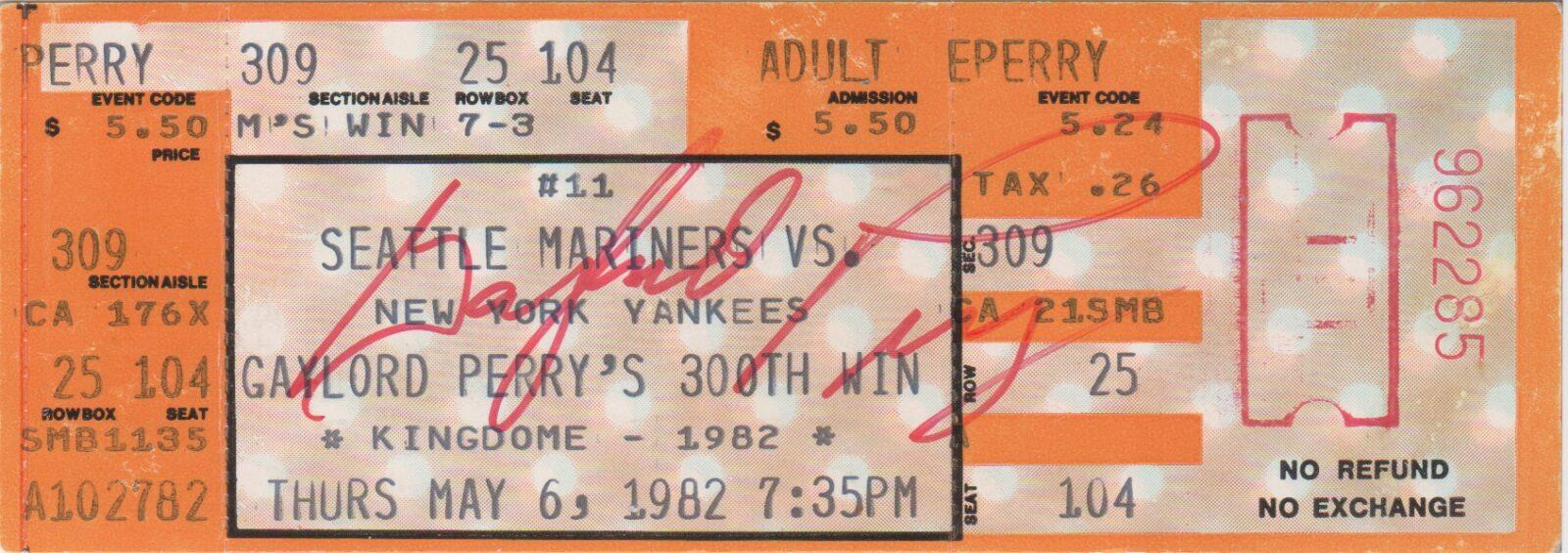
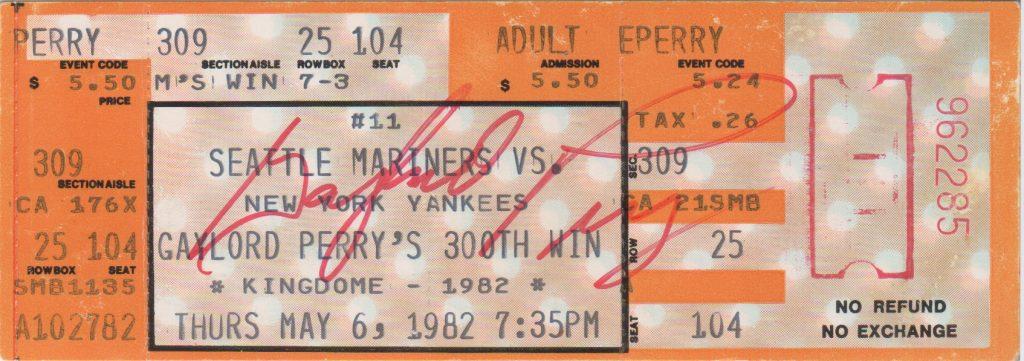
Shown here is an autographed ticket from Gaylord Perry’s 300th win at the Seattle Kingdome.
The first trade of $100,000 players was Bobby Murcer for Bobby Bonds
The first trade of $100,000 players was Bobby Murcer for Bobby Bonds
In 1974 Bobby Murcer played his 8th season for the Yankees, the last four of which were All Star campaigns. The highest-paid player in Yankee franchise history to that point, Murcer was still a force to be reckoned with. He led all big league outfielders with 21 assists, and finished in the AL’s top-10 in RBI, intentional walks, and sacrifice flies.
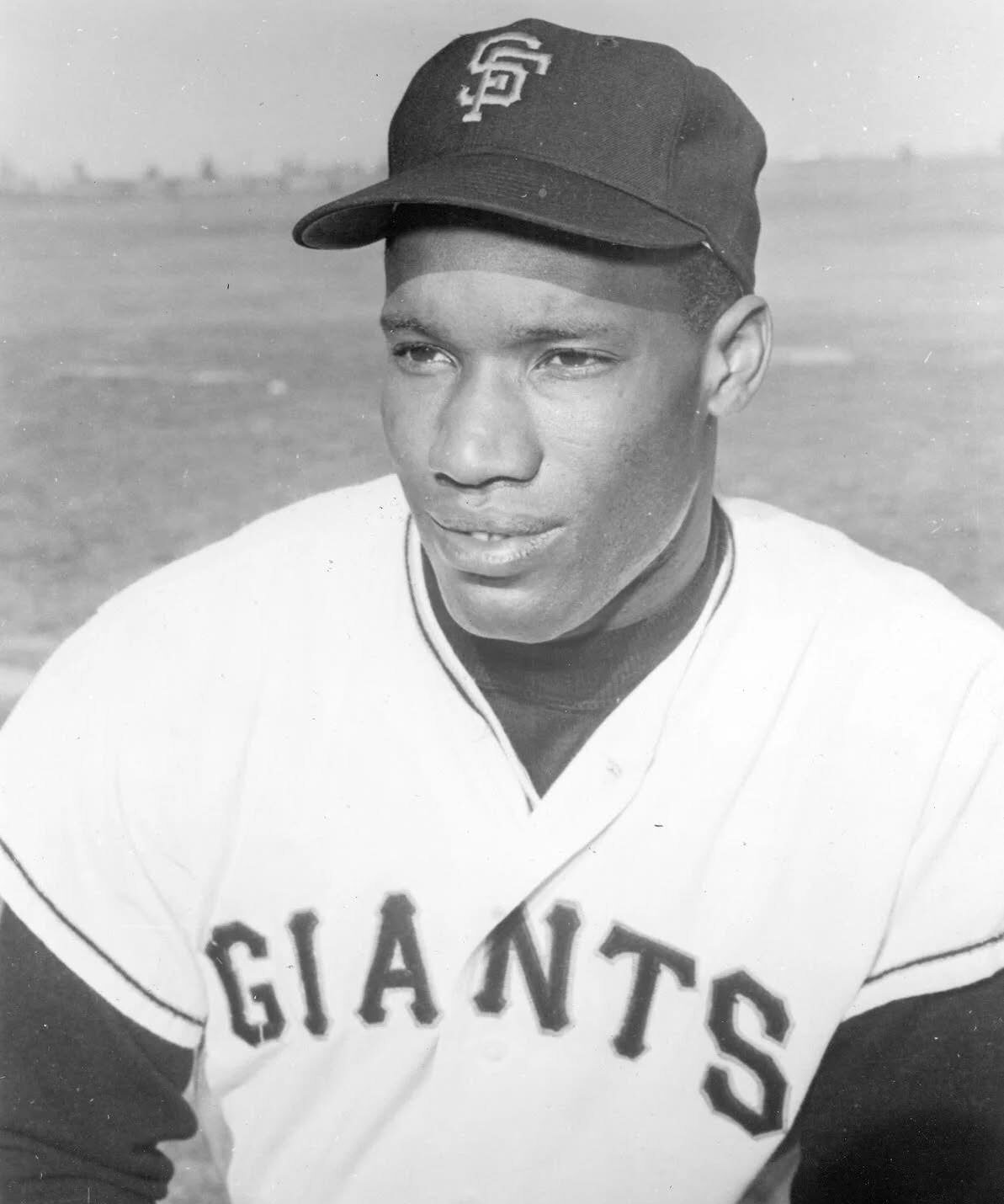
Five days after the Oakland Athletics defeated the Dodgers for their third-straight World Series title, Yankee GM Gabe Paul called Murcer into his office. Paul had engineered baseball’s first straight-up swap of $100,000 contracts; Murcer for the Giants’ Bobby Bonds.
Murcer’s first year in the NL was a good one. He hit .298 with a .396 on-base percentage and made the All Star team for the fifth consecutive season. Three days before Opening Day in 1976, the Giants made Murcer the highest-paid player in franchise history at $175,000 per year.
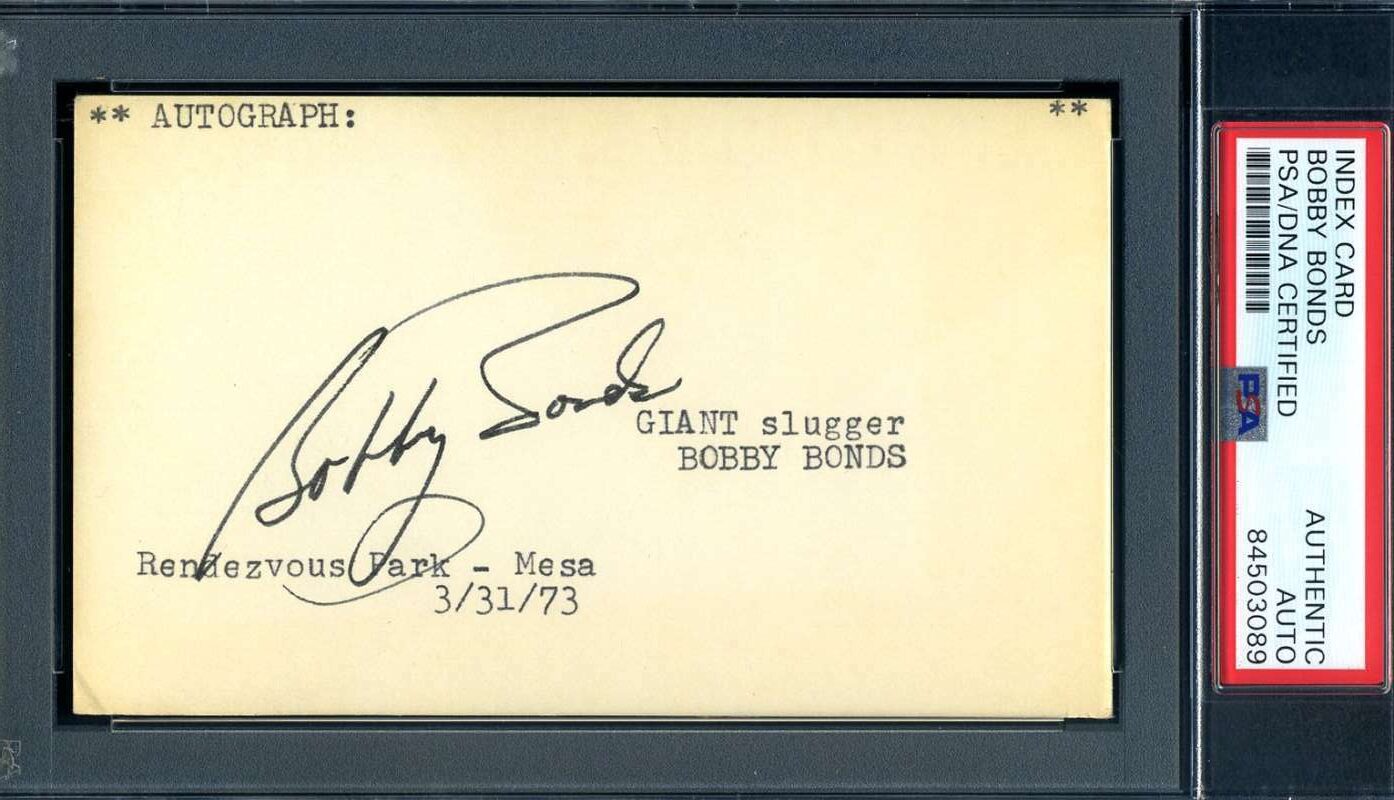
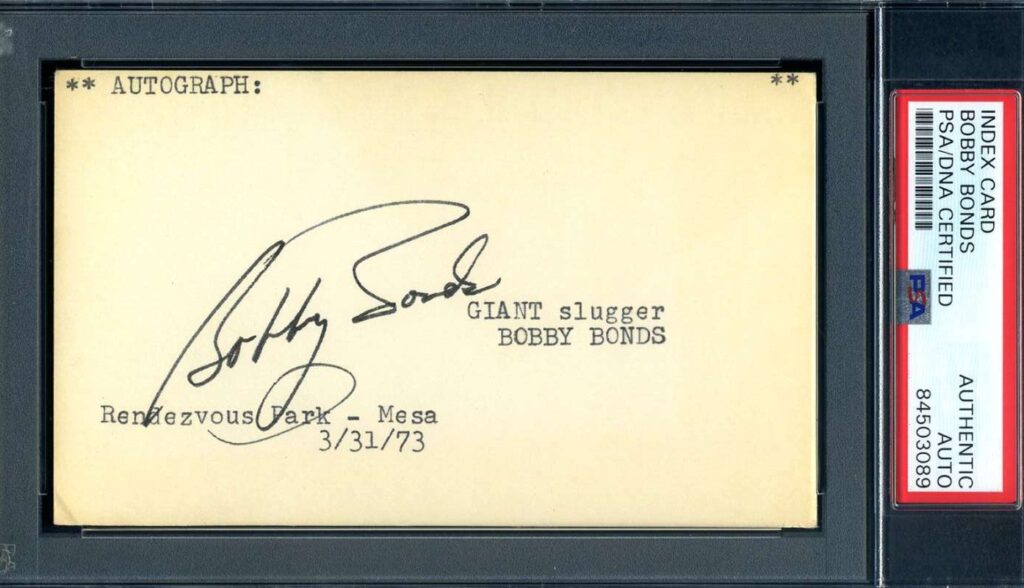
The image above show an autograph of Bobby Bonds signed in spring training on March 30, 1973. Bonds was about to embark on a career year. He posted career-highs in homers, slugging percentage, OPS, OPS+, runs and total bases. In the latter two categories he led the league. By the time the season ended he had a career-best 7.8 WAR.
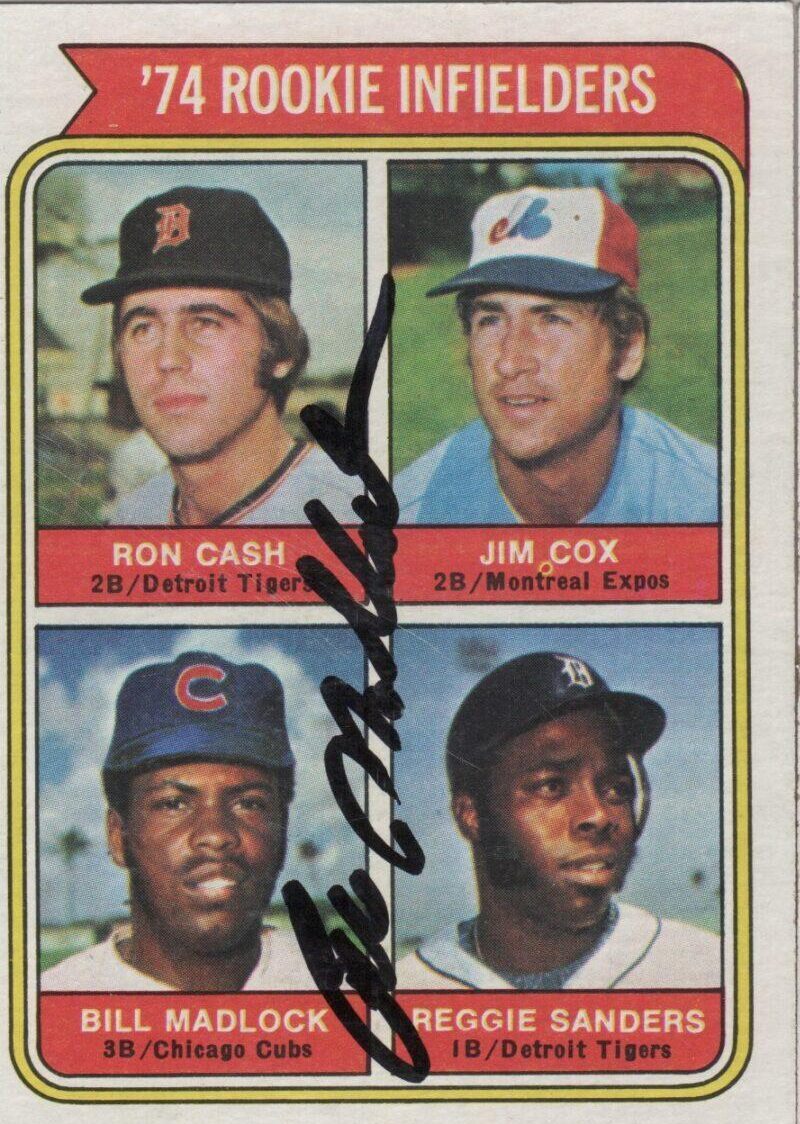
After Murcer was traded for Bill Madlock, Murcer signed the richest deal in Cubs history
After Murcer was traded for Bill Madlock, Murcer signed the richest deal in Cubs history
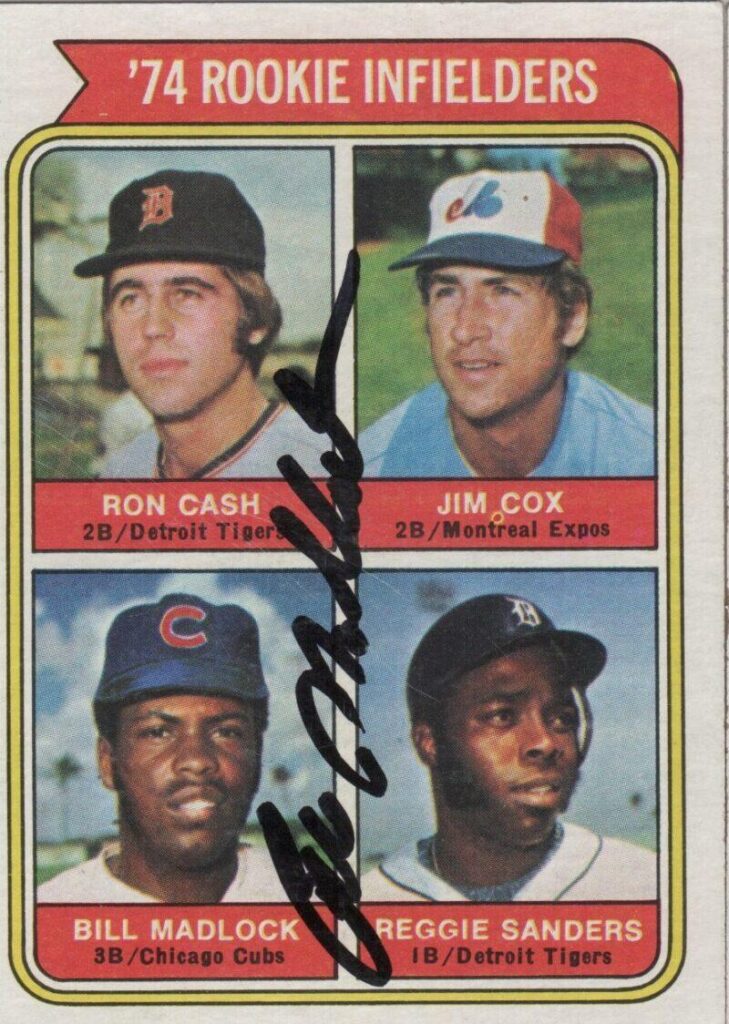
Bobby Murcer’s stay in San Francisco lasted just two seasons. Acquired by the Giants in October of ’74, Murcer was shipped out of the Bay Area in February of ’77.
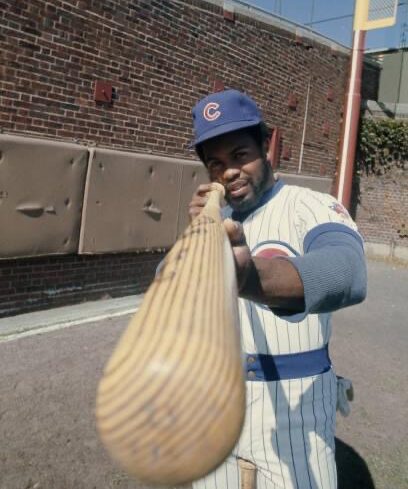
He was the centerpiece in a six-player swap that netted the Giants two-time reigning NL batting champion Bill Madlock. A month after joining the team, Murcer signed his first multi-year contract, a deal worth $1.6 million over five seasons. The pact made Murcer the highest-paid player in Cubs franchise history. From 1974-1977, Murcer was the top money-earner in team history for the Yankees, Giants, and Cubs.
During his 2 1/2 seasons in the Windy City, Murcer donned #7 as a tribute to his boyhood idol and former teammate Mickey Mantle.
Shown here is Madlock’s Topps rookie card from 1974. The eventual four-time batting champ has signed it boldly.
When Murcer retired, future Yankee captain Don Mattingly became a full-time player
When Murcer retired, future Yankee captain Don Mattingly became a full-time player
As Bobby Murcer’s career wound down in 1983, he still had some impact on the game. On June 1, the then-37 year old hit his final career homer. It was the 252nd of his career and 100th at Yankee Stadium.
Ten days later he made his final big league appearance as a pinch hitter in Milwaukee. On June 20, 1983 Murcer announced his retirement.
Murcer left the game with 1,862 hits – 582 of them going for extra bases. The five-time All Star tallied 972 career runs, and 1,043 RBI. His career OPS+ was a respectable 124. That figure puts him tied with the likes of Nomar Garciaparra, Joe Mauer, Kirby Puckett, and Enos Slaughter.
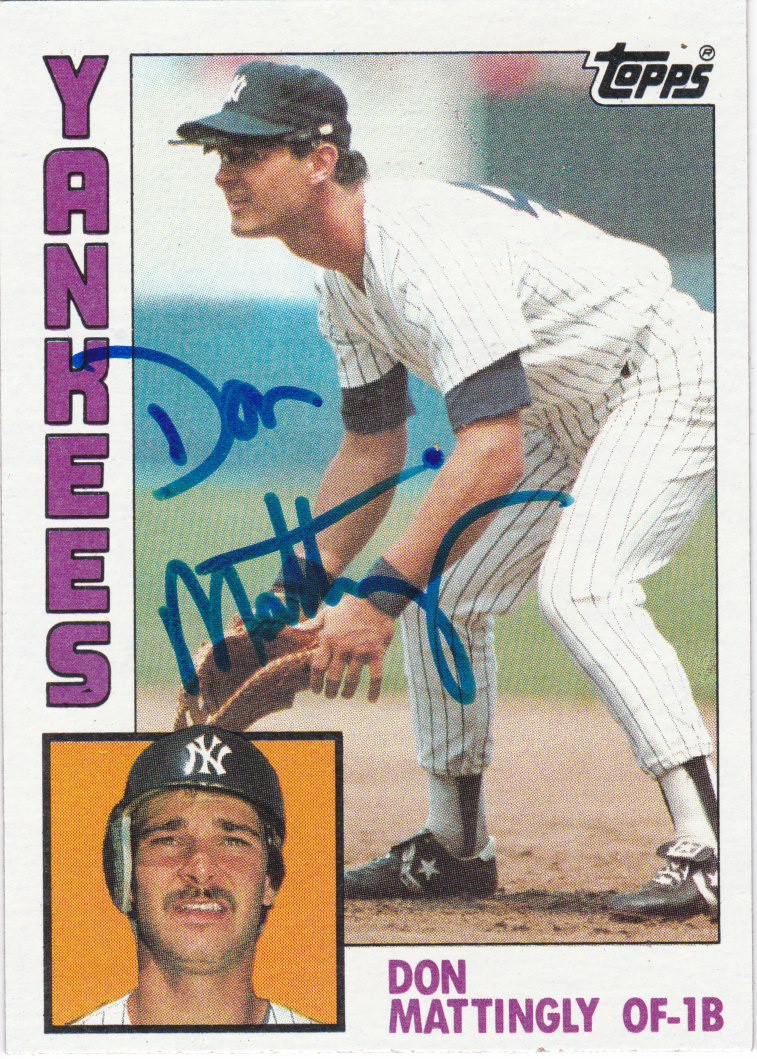
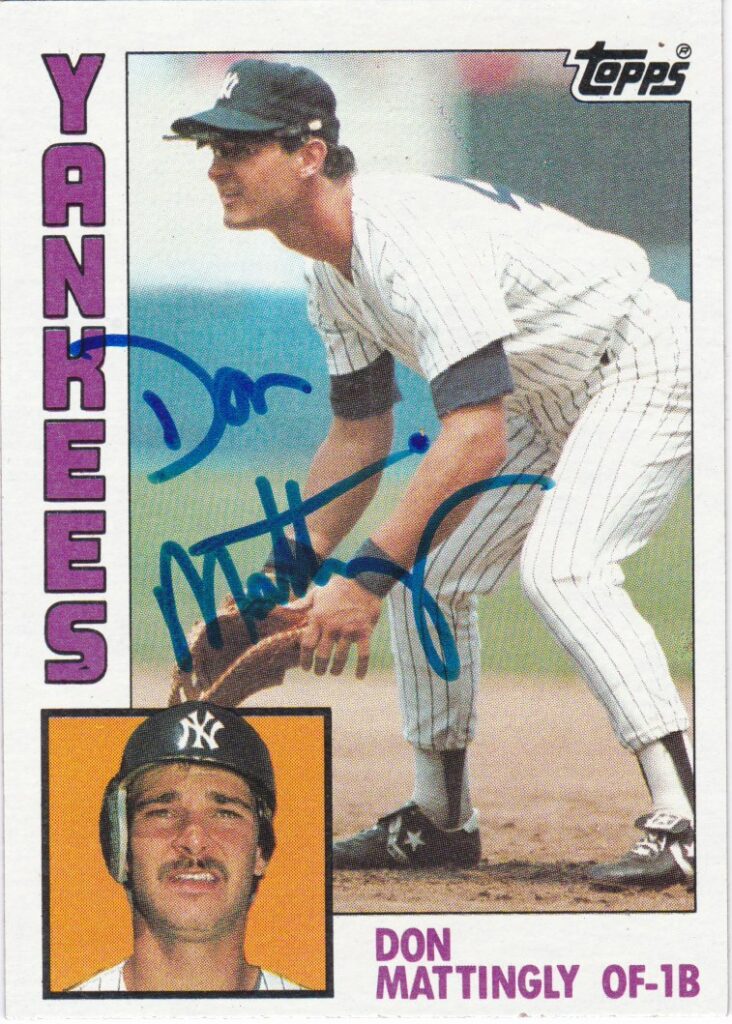
When Murcer left the Yankees it opened up playing time for a young Don Mattingly. The day after Murcer’s retirement, Mattingly became a full-time player for the rest of his career.
Shown here is an autographed Don Mattingly rookie card from the 1984 Topps set.
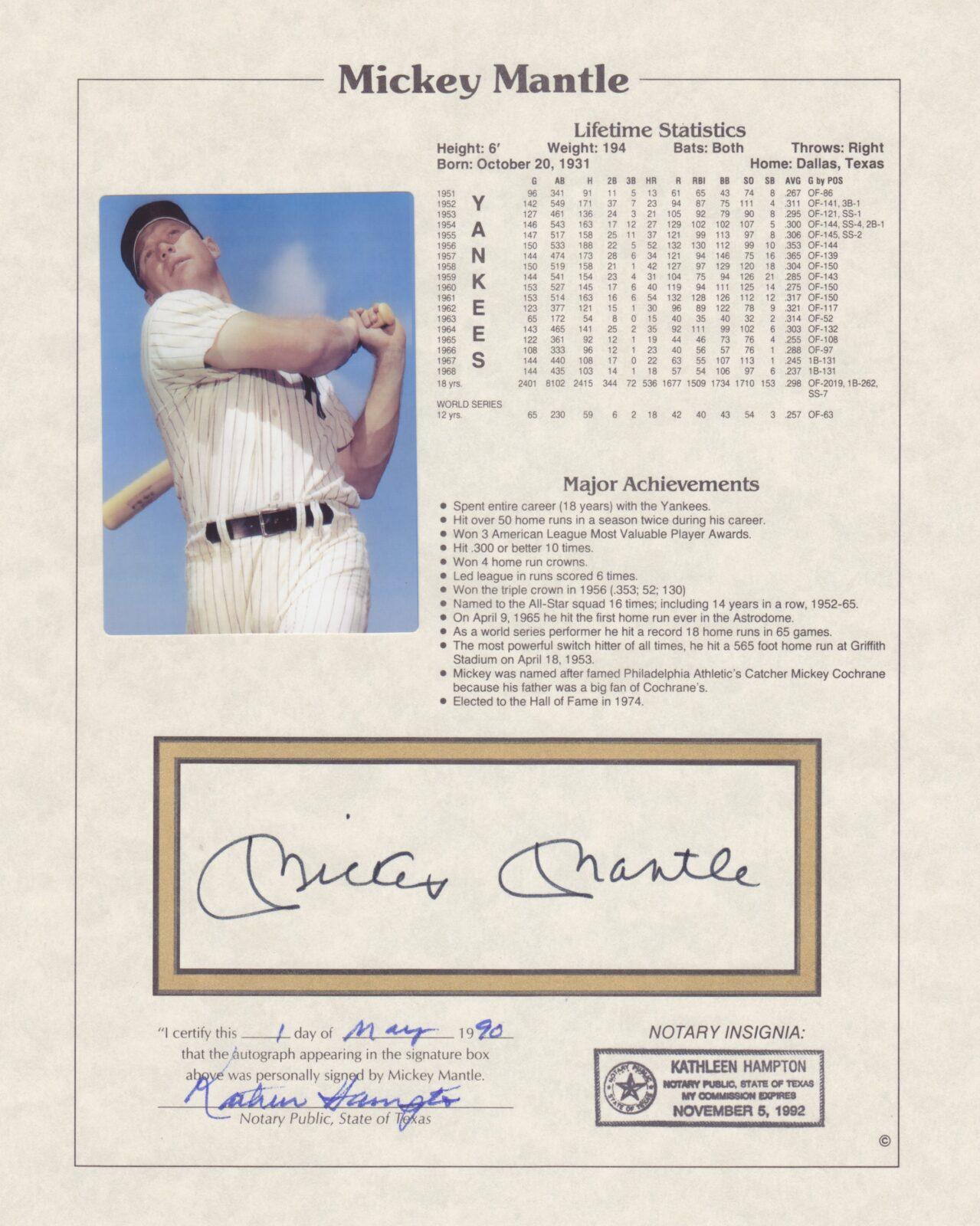
Murcer revered Mickey Mantle and ended his career as The Mick's last active teammate
Murcer revered Mickey Mantle and ended his career as The Mick's last active teammate
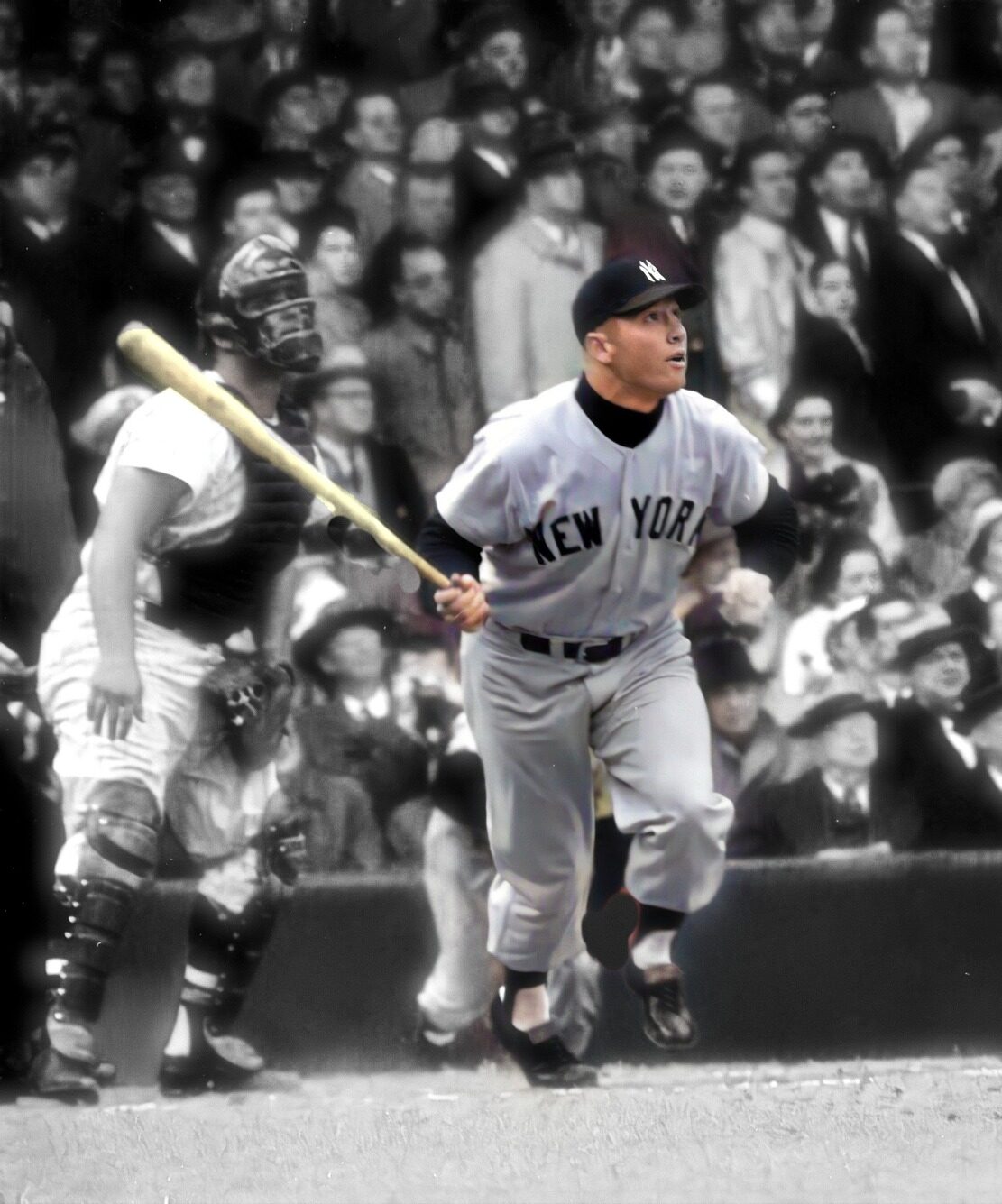
Growing up Bobby Murcer idolized Mickey Mantle and the Yankees. When he was signed by the same Yankee scout who inked Mantle, Murcer’s dream came true. Murcer called playing along side his hero on Mickey Mantle Day, “the greatest thrill of my career”.
During his 2 1/2 seasons with the Chicago Cubs, Murcer wore #7 as a tribute to his boyhood idol. When he retired in 1983 Murcer was the last active player to call Mantle a teammate.
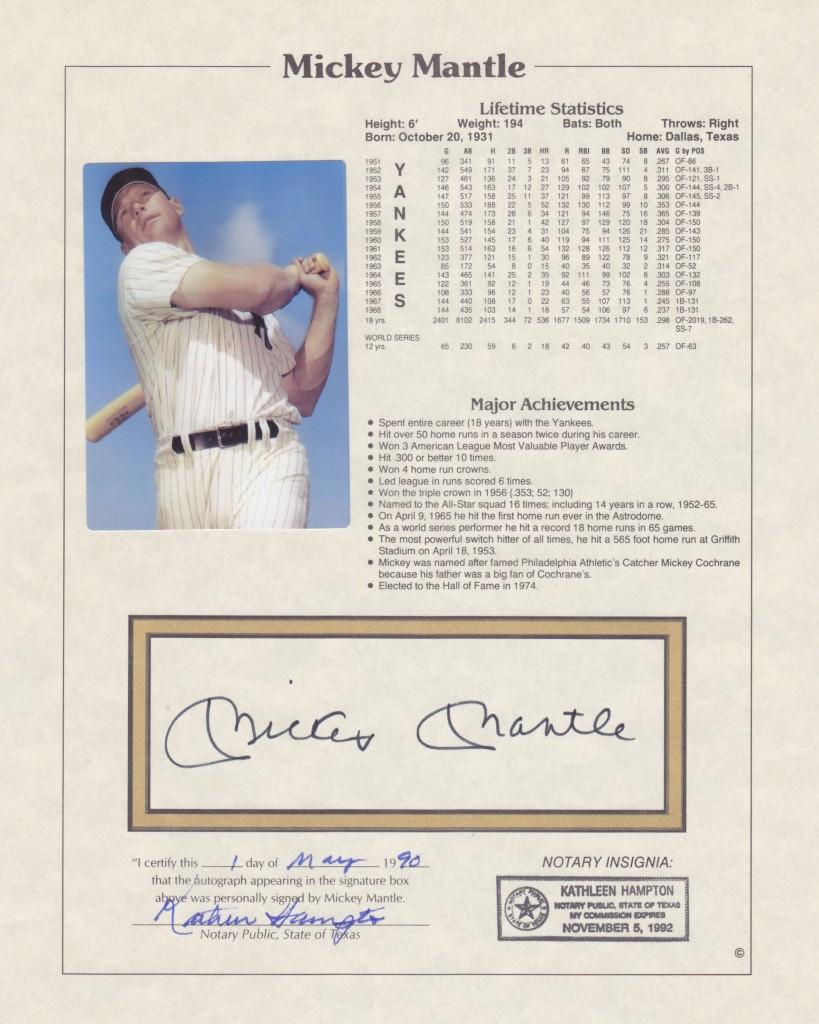
Mantle’s signature is one of the most forged autographs in the hobby. Shown here is a notarized signature of Mickey Mantle from May 1, 1990.