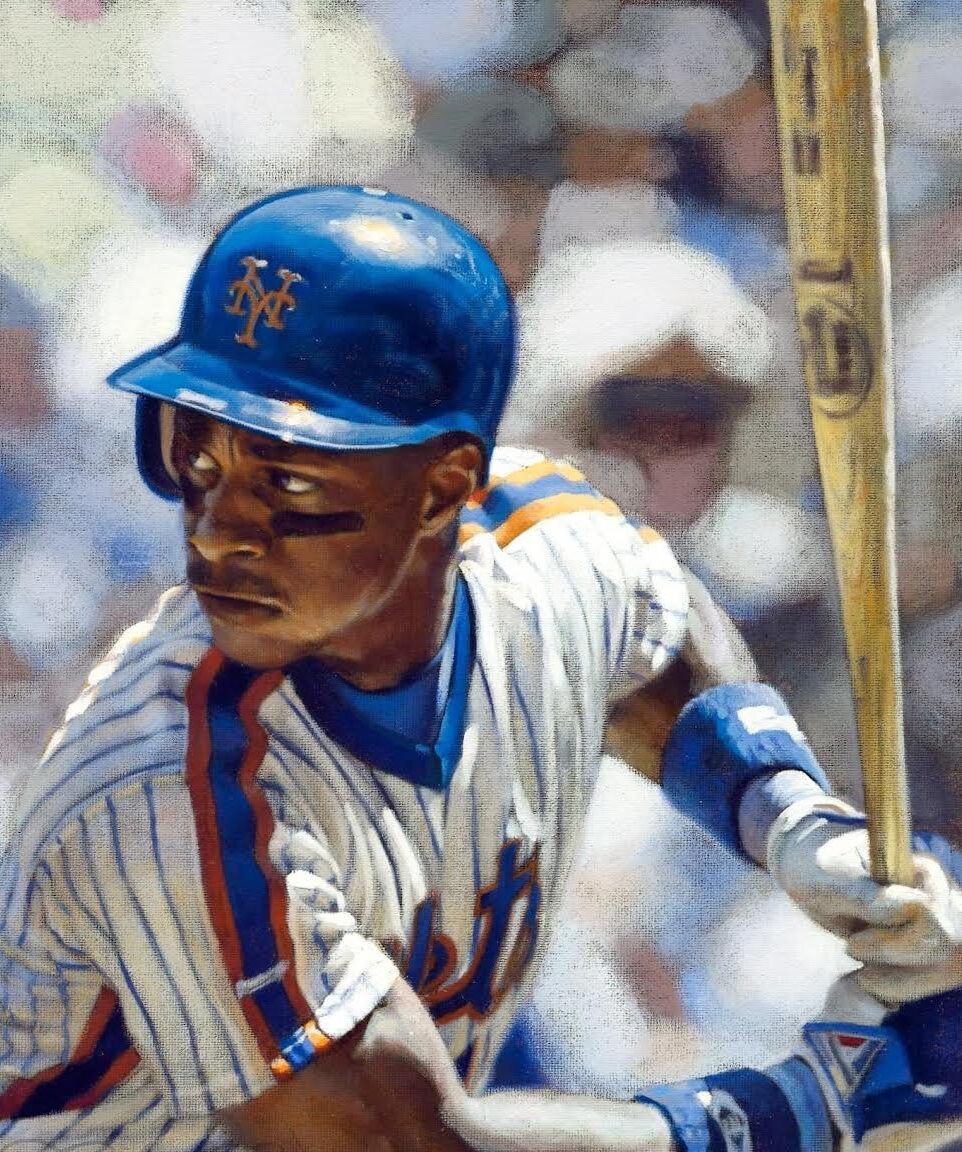
Dwight Gooden

| Birthdate | 11/16/1964 |
| Death Date | |
| Debut Year | 1984 |
| Year of Induction | |
| Teams | Astros, Indians, Mets, Rays, Yankees |
| Position | Pitcher |
An All Star each of his first three seasons, Dwight Gooden was the Rookie of the Year, a Cy Young winner & World Series champ before turning 22.
Leave a commentIn the collection:

The Mets selected Gooden with the fifth-overall pick in the 1982 draft
The Mets selected Gooden with the fifth-overall pick in the 1982 draft

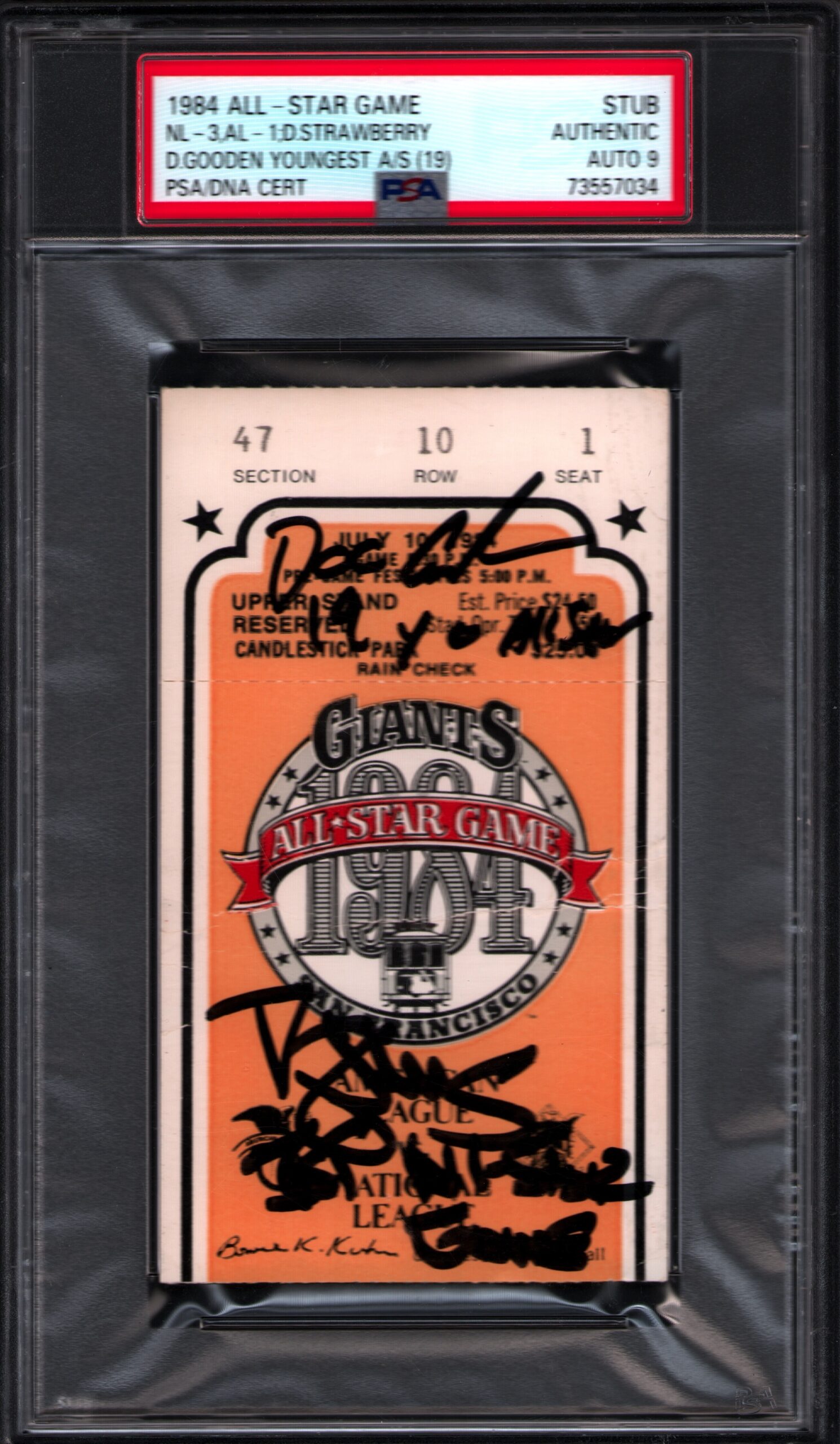
In 1984 Gooden and Strawberry each played in their first All Star Game
In 1984 Gooden and Strawberry each played in their first All Star Game
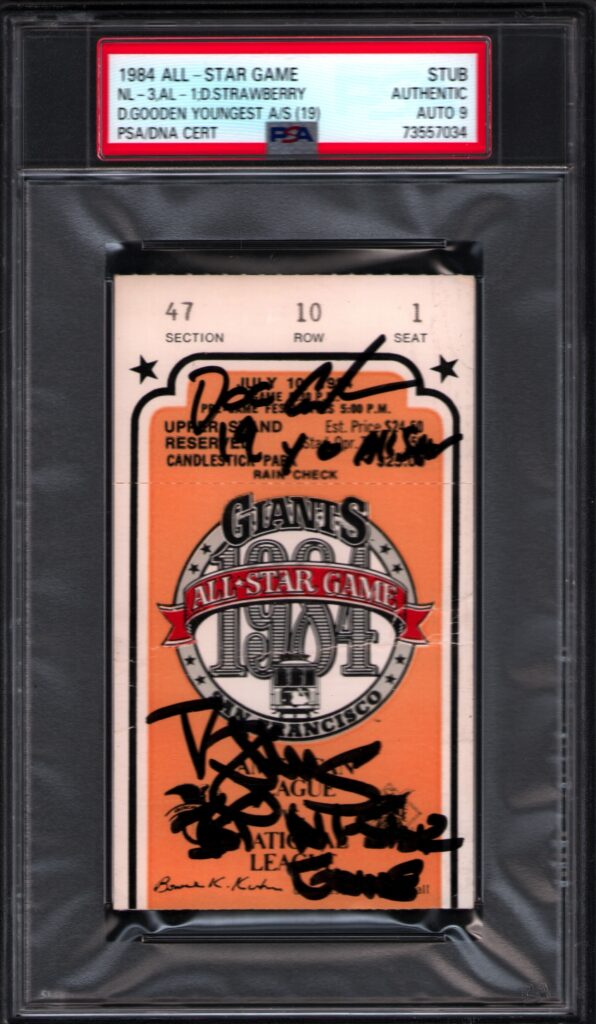
Summer belonged to Darryl Strawberry and Dwight Gooden during the 1984 season. Strawberry arrived at the Major League Baseball All-Star Game as the reigning National League Rookie of the Year and the fans’ choice in right field. He stepped into the spotlight against elite competition and delivered a clean single in two at-bats. One of those trips came against Jack Morris, the winningest pitcher of the 1980s. Confidence surrounded Strawberry every time he entered the batter’s box, and his smooth left-handed swing electrified crowds across baseball.
Meanwhile, Gooden stormed through his own rookie campaign with overpowering stuff and fearless command. Only 17 appearances into his career, the teenage phenom already looked untouchable on a national stage. He entered the game during the fifth inning and immediately seized control. First came Lance Parrish, then Chet Lemon, followed by Alvin Davis. Gooden struck out all three in order, announcing his arrival with pure dominance and electric velocity.
The next inning he got Lou Whitaker on a comebacker, then gave up a double to Cooperstown’s Eddie Murray. Undaunted, Gooden then retired Hall of Famers Cal Ripken Jr. and Dave Winfield to end his outing.
A ticket from that 1984 showcase in San Francisco preserves the moment beautifully. Gooden signed the upper half and added the inscription, “19 yo All Star.” Strawberry signed the lower half and wrote, “1st All Star Game.”

In 1984 Gooden became the youngest pitcher in the modern era to strike out 200 batters in a season
In 1984 Gooden became the youngest pitcher in the modern era to strike out 200 batters in a season


Gooden and Darryl Strawberry earned back-to-back Rookie of the Year Awards for the Mets
Gooden and Darryl Strawberry earned back-to-back Rookie of the Year Awards for the Mets

Darryl Strawberry kicked off a youth movement in 1983 with the New York Mets. The top pick from the 1980 MLB Draft delivered a strong rookie campaign. He blasted 27 home runs, posted a 134 OPS+, and slugged .512. Strawberry brought power and presence to a club searching for identity.
One year later, Dwight Gooden arrived and took over the mound. He led National League pitchers in WAR and dominated hitters with electric stuff. Gooden went 17-9 with a 2.90 ERA and piled up a league-leading 268 strikeouts. He was second in ERA, and third in wins.
The writers named the young right-hander the Rookie of the Year Award and a second-place finish in Cy Young balloting.
Together, Strawberry and Gooden changed the tone in Queens. The Mets climbed from 68 wins and a sixth-place finish in 1983 to 90 wins and second place in 1984. Energy surged through the roster, and belief followed. Strawberry punished mistakes at the plate, while Gooden erased hitters with overpowering fastballs.
The collection features an 8×10 photo of the young stars, both signed in silver marker. Their signatures shine against the image, capturing a moment when the future looked bright.

In 1985 Dwight won 24 games and became the eleventh member of the Black Aces
In 1985 Dwight won 24 games and became the eleventh member of the Black Aces

Jim Grant, known as “Mudcat”, carved his name into history in 1965. He won 21 games and became the American League’s first African American 20-game winner. He later authored The Black Aces, a tribute to elite pitchers who reached that mark.
The movement started earlier with Don Newcombe of the NL’s Brooklyn Dodgers. He broke ground in 1951 and won 20 games three times, including 27 in 1956. Sam Jones joined the club in 1960 with 21 wins for the San Francisco Giants. Grant followed in 1965, and Bob Gibson entered days later with the St. Louis Cardinals. Gibson kept rolling and reached 20 wins four more times.
The list grew fast. Fergie Jenkins and Earl Wilson hit the mark in 1967. Jenkins led the way with seven 20-win seasons. Vida Blue dominated in 1971 and earned MVP honors, while Al Downing also reached 20 that year. Power arms like J. R. Richard and Mike Norris added their names in later years.
Dominance carried into the next generation. Dwight Gooden delivered a historic 1985 season, leading the league in wins, ERA, and strikeouts. With that he became baseball’s 11th Black Ace.
The collection features a 1974 player contract signed by Gibson. That year he became the second pitcher in big league history to strikeout 3,000 batters. Fifty years early Walter Johnson was the first.

Gooden's 12.2 WAR in 1985 was the highest by a pitcher since Walter Johnson in 1913
Gooden's 12.2 WAR in 1985 was the highest by a pitcher since Walter Johnson in 1913
Dwight Gooden owned 1985 and turned every start into a headline. He overpowered hitters and swept the Cy Young vote without debate. Gooden captured the pitching Triple Crown, leading the National League in wins (24), ERA (1.53), and strikeouts (268). Batters stepped in with hope and walked back shaking their heads.
Numbers backed the dominance and pushed him into rare air. Gooden posted a 12.4 WAR, a figure few pitchers ever touch. Only Walter Johnson and Cy Young produced higher marks during the 1900s. That company defines greatness, and Gooden earned his seat for that season.
The performance felt relentless from April through October. He attacked hitters early, finished them late, and controlled games with precision. Every outing built momentum, and the league struggled to keep pace. Opponents adjusted, but Gooden answered with sharper command and electric stuff.
The collection features a handwritten letter from Johnson himself. In the 1935 correspondence he thanks Ford Frick for a lifetime pass to all major league games. The note links generations, tying Gooden’s modern dominance to a legend who set the standard decades earlier.
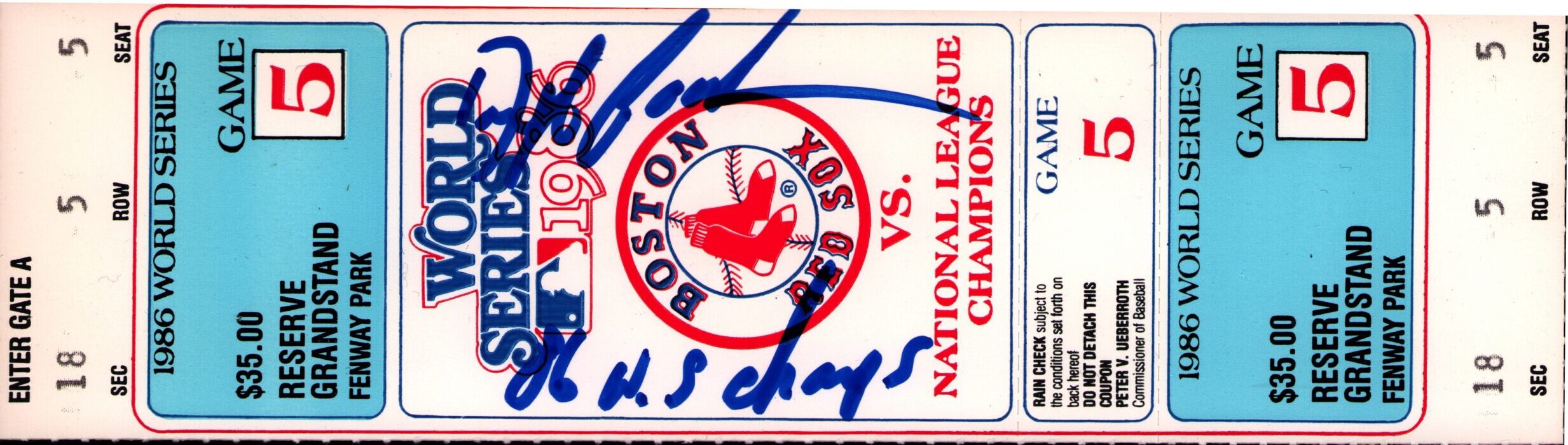
At age 21 in 1986 Dwight Gooden helped the Mets win the World Series title
At age 21 in 1986 Dwight Gooden helped the Mets win the World Series title
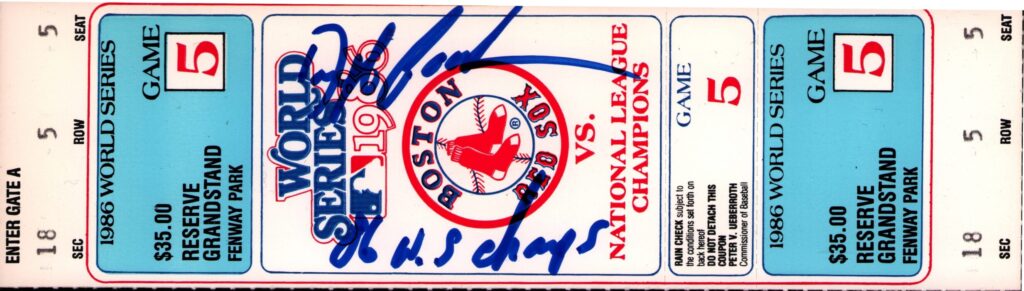
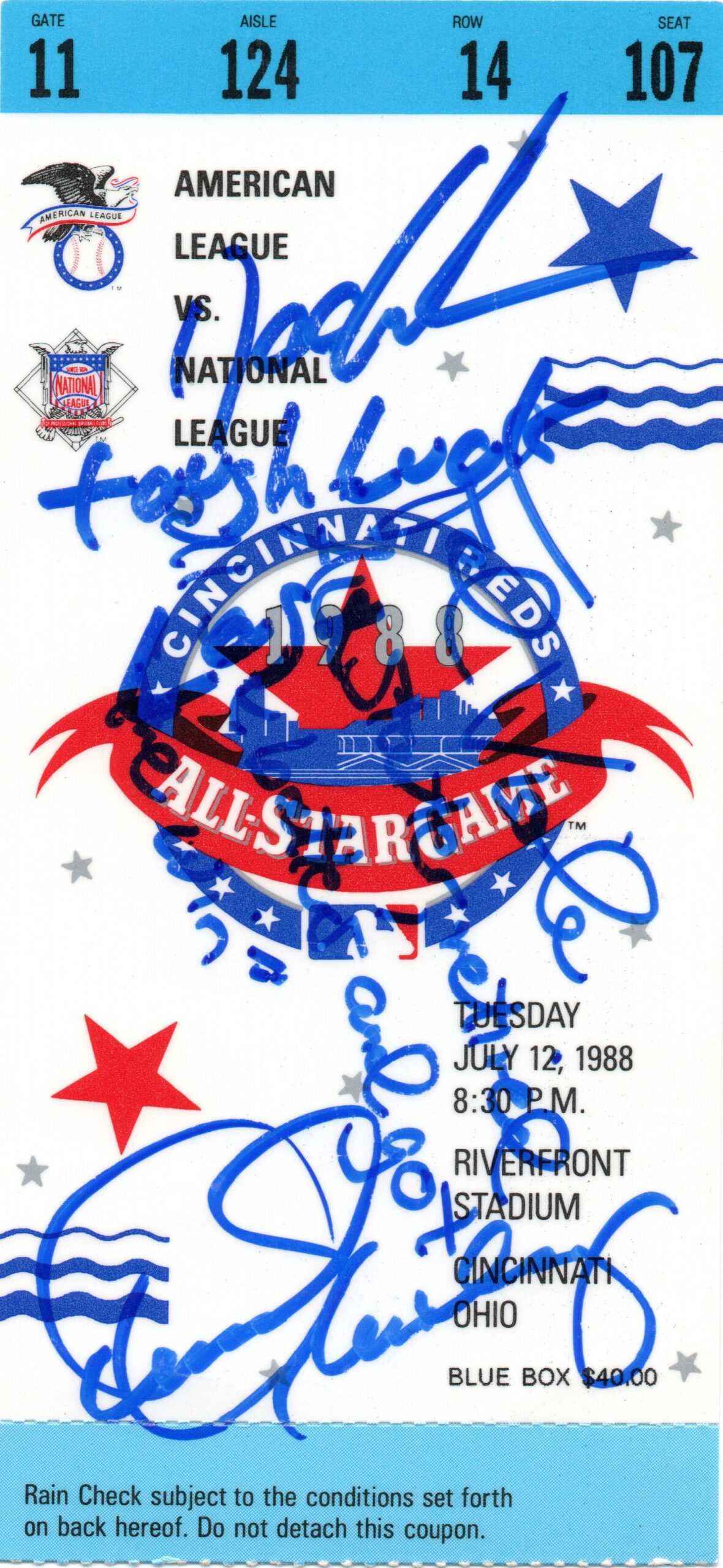
All four of Dwight Gooden's All Star selections came by age 23
All four of Dwight Gooden's All Star selections came by age 23
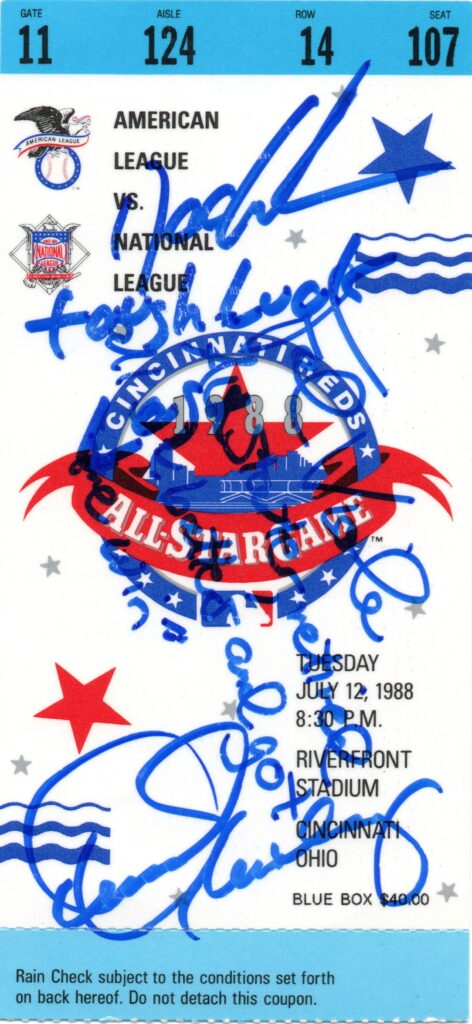
Dwight Gooden arrived at the 1988 All-Star Game with the credentials of an ace. By the break, he had piled up 11 wins and 102 strikeouts, earning the starting assignment for the National League in his fourth Midsummer Classic.
Gooden wasted little time establishing command. He faced only seven batters through the first two innings and closed the second by fanning Oakland slugger Mark McGwire. The American League finally broke through in the third. Terry Steinbach led off the inning and launched a home run that later proved decisive. Beyond that swing, Gooden kept the AL lineup in check. Across three innings, he surrendered one run on three hits and one walk.
Meanwhile, the National League struggled to generate offense. Steinbach influenced the game again in the fourth when he lifted a sacrifice fly with the bases loaded, bringing home Dave Winfield for a 2-0 American League lead. The NL answered in the bottom half. Vince Coleman singled, stole second, and advanced to third when Steinbach’s throw sailed into center field. Moments later, Coleman crossed the plate on a wild pitch from Mark Gubicza.
That run marked the National League’s only offense. No team scored again, and the American League secured a 2-1 victory. As a result, Gooden absorbed a tough-luck loss despite a strong outing.
Shown here is a ticket from the 1988 All-Star Game at Cincinnati’s Riverfront Stadium. Gooden signed the ticket and added the inscription, “Tough luck loser.” The piece also carries the signature of winning pitcher Frank Viola, who later captured the American League Cy Young Award. Closer Dennis Eckersley, credited with the save, signed it as well.
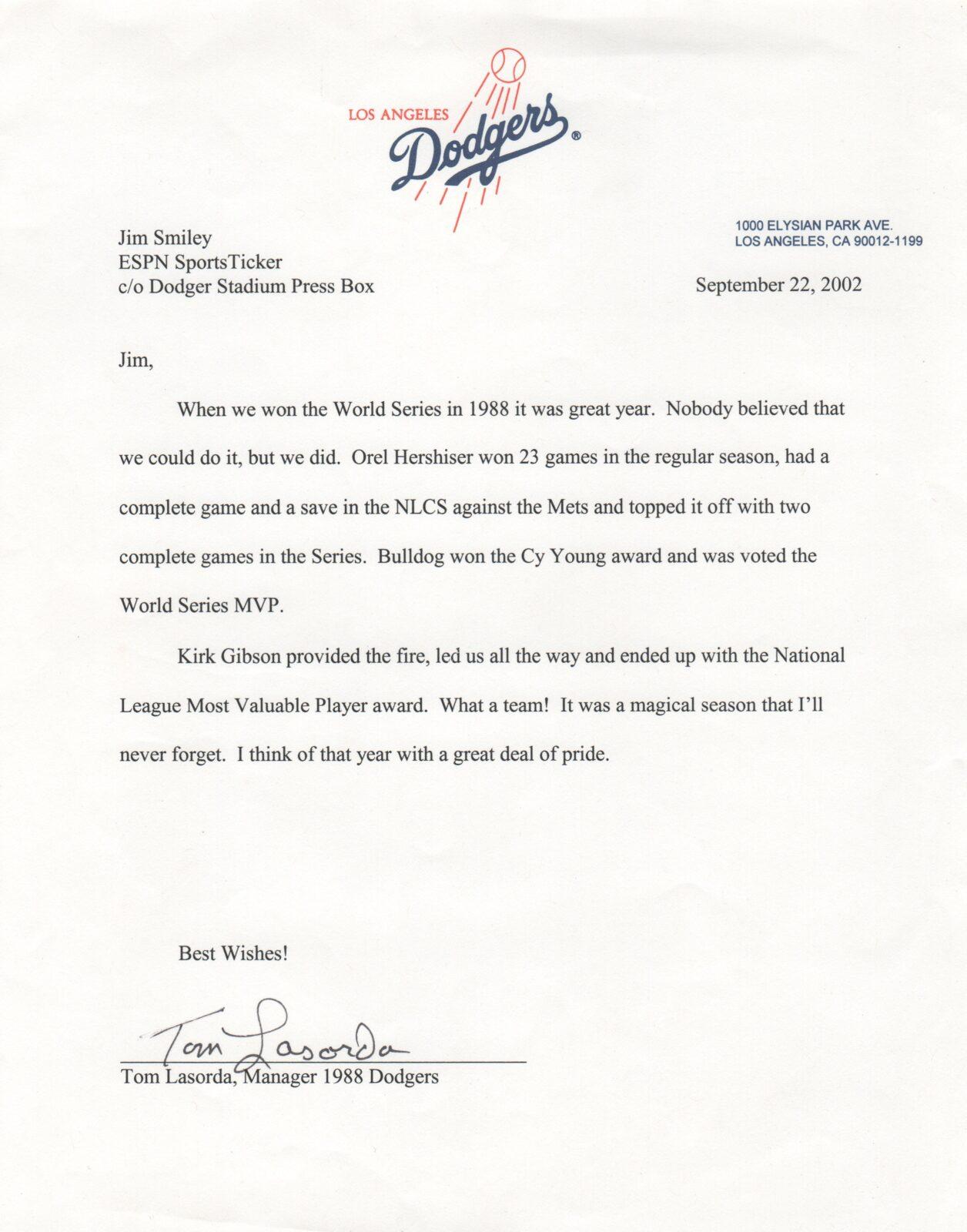
In '88 the heavily-favored Mets lost to Tommy Lasorda's Dodgers in the NLCS
In '88 the heavily-favored Mets lost to Tommy Lasorda's Dodgers in the NLCS

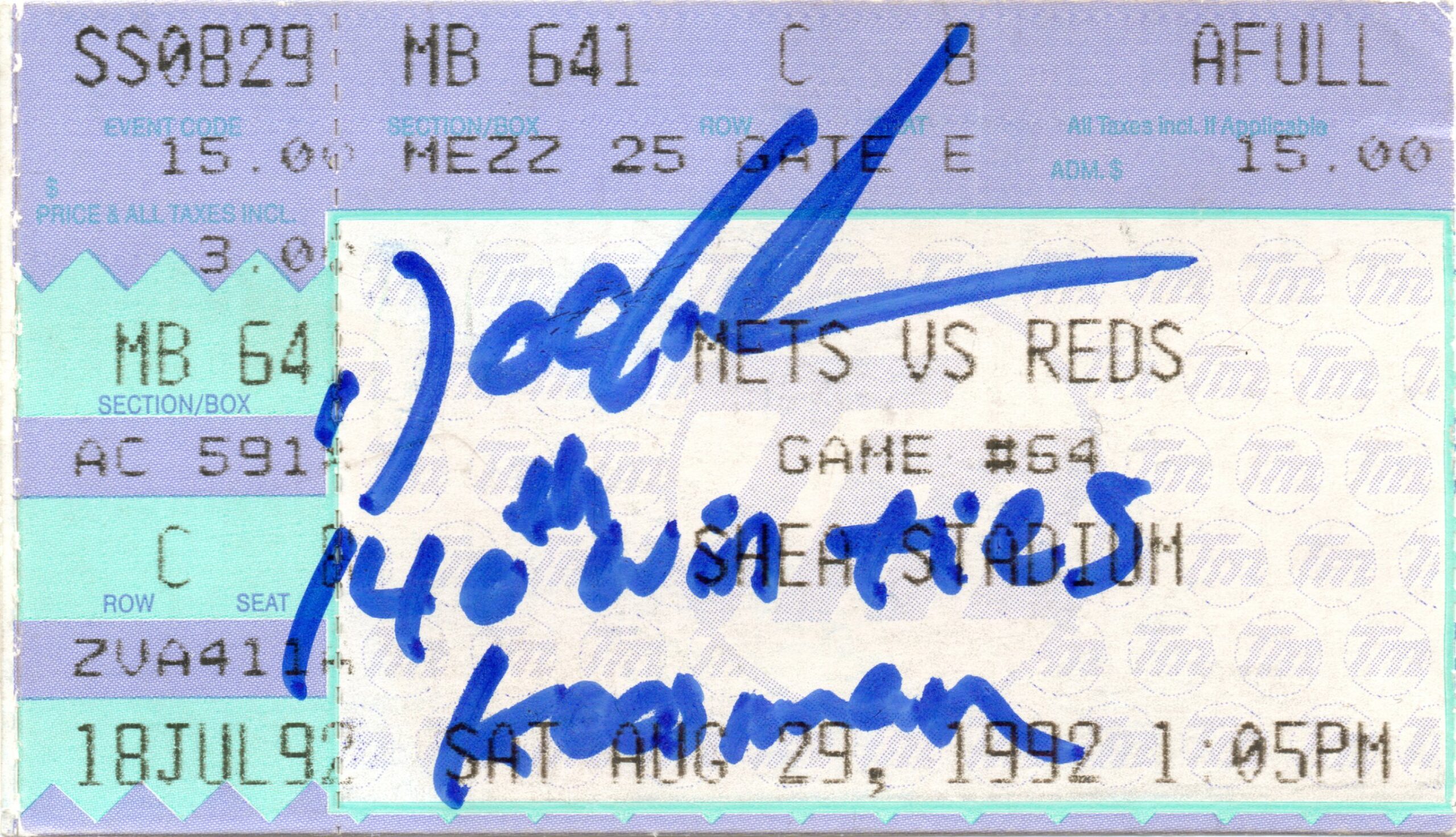
Dwight Gooden stands second only to Tom Seaver on the all-time Mets wins list
Dwight Gooden stands second only to Tom Seaver on the all-time Mets wins list
On August 29, 1992, Dwight Gooden added another milestone to his unforgettable Mets career. The hard-throwing right-hander earned his 140th victory for New York and climbed beside Jerry Koosman on the franchise leaderboard. Only Tom Seaver stood ahead of them in Mets history. Gooden handled the Cincinnati Reds with the poise that defined his best years in Queens. He worked six strong innings, scattered key outs, and struck out six hitters during the victory. Shea Stadium buzzed as fans recognized another chapter in Mets history.
That August night strengthened his place among the greatest pitchers ever to wear a Mets uniform. A ticket from the game still captures the achievement in vivid fashion. Gooden later signed the keepsake and added the inscription, “140th win ties Koosman.” The autograph transformed a simple ticket stub into a lasting piece of franchise history.
One month later, Gooden climbed even higher on the Mets leaderboard. On September 29, he collected his 141st victory and moved past Koosman into sole possession of second place. Seaver still owned the top spot, yet Gooden secured his own lasting legacy in New York. By the end of his Mets tenure, Gooden totaled 157 victories and cemented his reputation as one of the franchise’s defining stars.
Gooden holds the single season Mets record for WAR and ERA and is second in many career marks
Gooden holds the single season Mets record for WAR and ERA and is second in many career marks
A glance at the Mets’ record book puts Dwight Gooden front and center. His 1985 season still towers over the franchise. He posted a 12.2 WAR and a 1.53 ERA, both single-season team records. That run set a standard few pitchers approach.
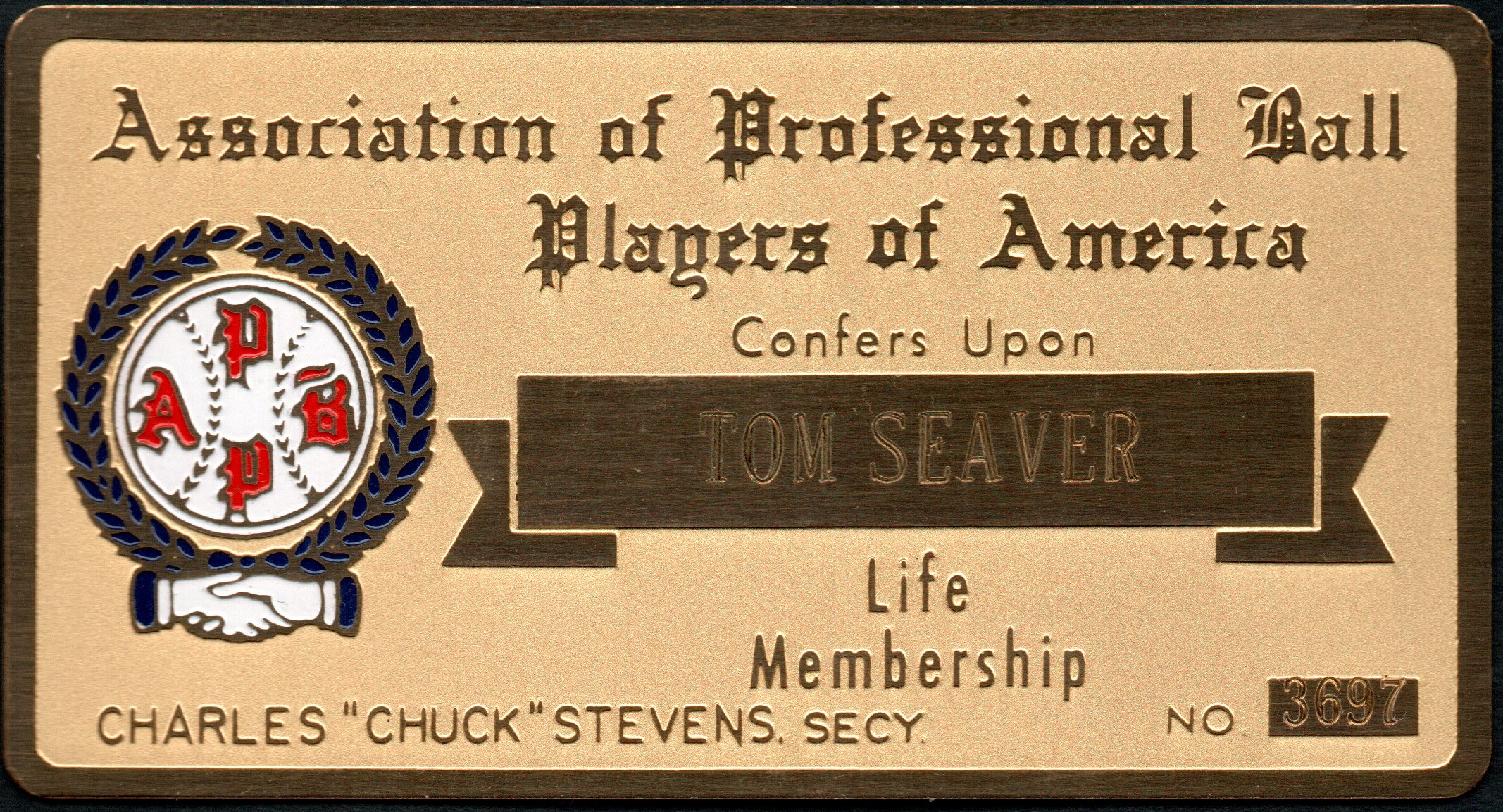
Gooden carried the load from 1984 through 1994 with the New York Mets. He won 157 games, trailing only Tom Seaver in club history. Strikeouts came in waves early in his career. He topped 200 in each of his first three seasons and finished with 1,875. Only Seaver sits ahead of him on that list as well. WAR tells a similar story, with Gooden again chasing only the franchise icon.
Championship pedigree ties the two aces together. Seaver led the 1969 Miracle Mets to a title. Gooden anchored the 1986 staff and helped deliver another ring to Queens. Both pitchers defined eras and carried October expectations on their shoulders.
Shown here Tom Seaver’s lifetime pass presented to him by the Association of Professional Ball Players of America.
Fittingly, Gooden and Strawberry entered the Mets team Hall of Fame on the same day in 2010
Fittingly, Gooden and Strawberry entered the Mets team Hall of Fame on the same day in 2010
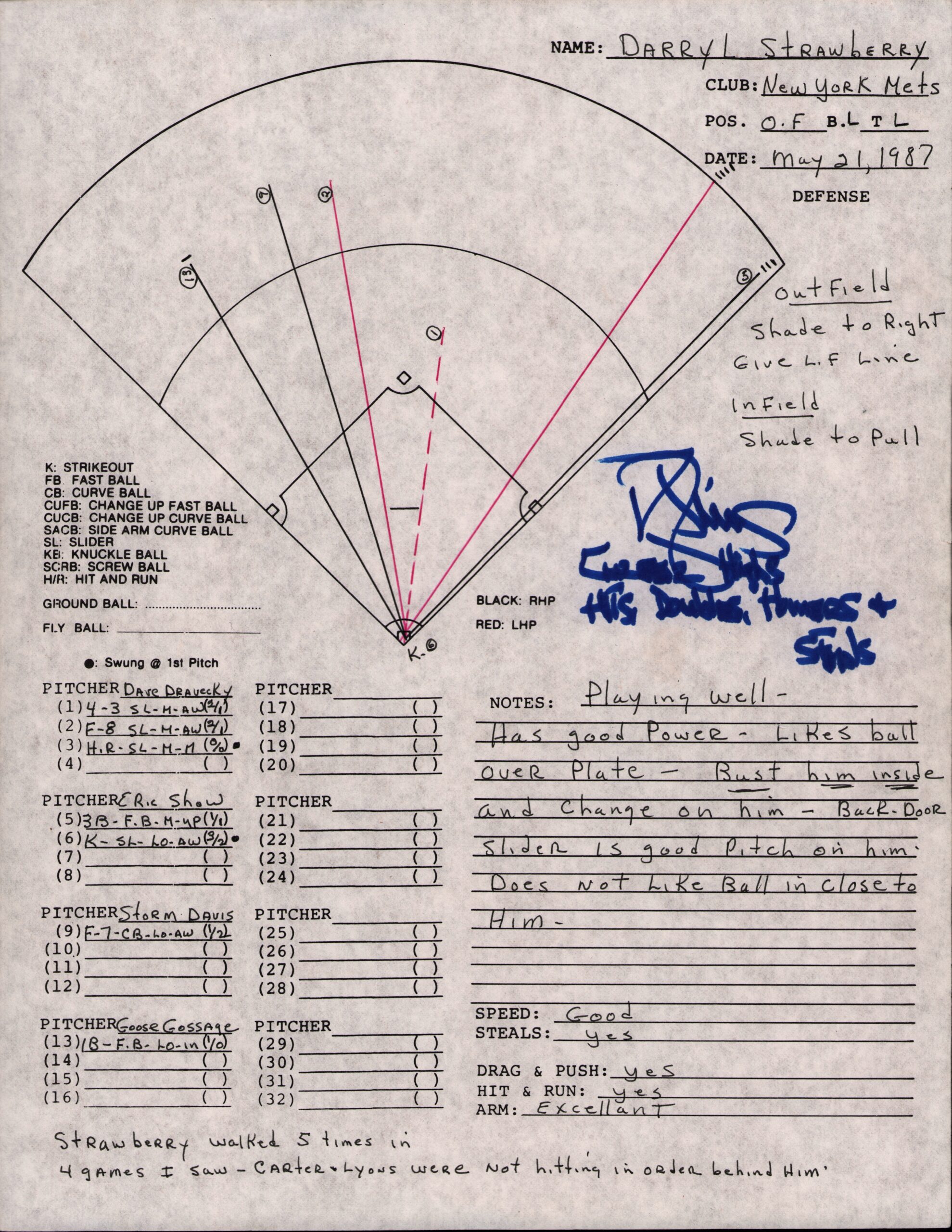
Darryl Strawberry and Dwight Gooden changed the tone in Queens and made the New York Mets matter again. They arrived in consecutive seasons and each seized Rookie of the Year honors. From 1984 through 1990, they stacked 11 All-Star selections as teammates and drove the club’s rise.
Strawberry brought thunder to the lineup. He captured two Silver Slugger Awards and climbed the MVP ladder with second-, third-, and sixth-place finishes. Gooden owned the mound and carried a Cy Young Award from 1985. He stayed in the hunt for years, adding second-, fourth-, fifth-, and seventh-place finishes. Together, they fueled a contender that reached its peak in 1986 with a World Series title.
The partnership didn’t last forever. Strawberry left New York after the 1990 season and signed with Los Angeles, closing a defining chapter. Years later, the Mets honored both stars together. The organization inducted them into its Hall of Fame on August 1, 2010, along with manager Davey Johnson and GM Frank Cashen.
The image above features an advance scouting report from Strawberry’s electric 1987 season. He crushed 39 homers, drove in 104 runs, and stole 36 bases to join the 30-30 club. He hit .284 with a .398 on-base percentage and a .583 slugging mark. The report carries his signature and a handwritten note highlighting career highs in hits, doubles, homers, and steals.
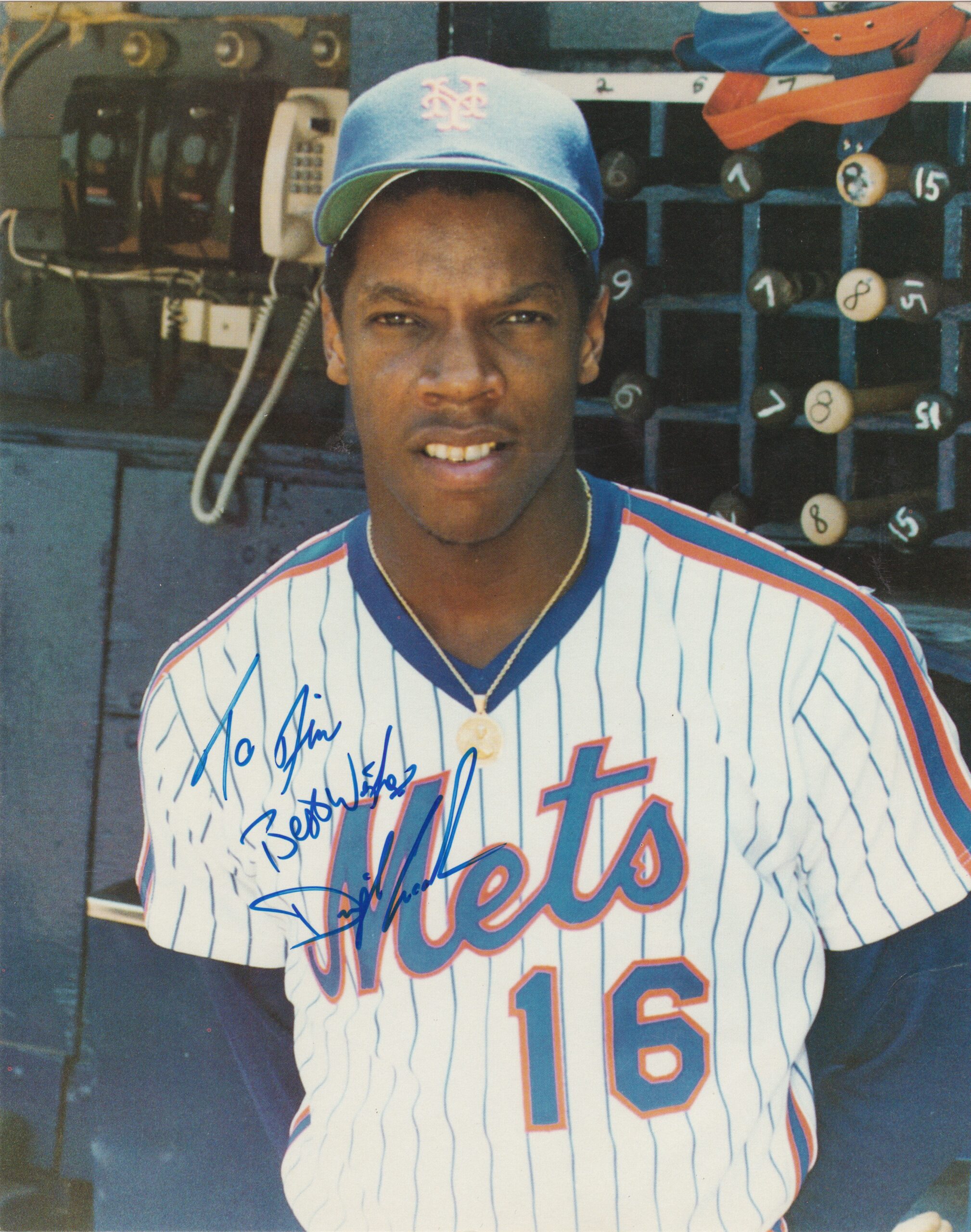
In 2024 the New York Mets retired Dwight Gooden's jersey #16
In 2024 the New York Mets retired Dwight Gooden's jersey #16
The New York Mets honored Dwight Gooden on April 14, 2024, and gave No. 16 a permanent home. The ceremony capped a tradition built on greatness and history.
That tradition started with Casey Stengel, the franchise’s first skipper. The Mets retired his No. 37 in 1965, setting the tone early. Next came Gil Hodges in 1973, the leader of the ’69 Miracle Mets. Tom Seaver followed in 1988, the face of the franchise and a three-time Cy Young winner. Jackie Robinson holds a unique place, as No. 42 stands retired across all of baseball since 1997.
The modern era added more legends. Mike Piazza earned his No. 31 in 2016 after redefining offense at catcher. Jerry Koosman joined in 2021, a key arm from the 1969 title team. Keith Hernandez brought elite defense and leadership, and his No. 17 went up in 2022. That same year, Willie Mays received No. 24, honoring a legend who finished his career in with the Mets after starring for the New York and San Francisco Giants.
Each number tells a story, each banner marks a cornerstone. Gooden’s addition connects eras, from Seaver’s dominance to the 1986 champions he helped lead.
The image above features an autographed photo of Gooden wearing his iconic No. 16, now retired by the Mets.